By 2026, the application scope of lightweight metal components has expanded beyond the traditional automotive manufacturing industry, covering core industrial sectors including power equipment, industrial machinery, renewable energy, industrial robots, rail transit, and general transportation. Manufacturing enterprises adopt systematic lightweight design optimization to improve equipment operational efficiency, reduce raw material consumption, and control full-life-cycle carbon emissions, so as to meet the industrial requirements of green and sustainable development.
The current lightweight design philosophy has abandoned the extensive mode of simple material replacement (merely substituting steel with aluminum). Instead, it focuses on structural reconstruction and optimization based on mechanical performance indicators, achieving weight reduction while ensuring that core mechanical parameters such as component strength, stiffness, and stability fully meet operational standards.The comprehensive service performance and engineering practical value of lightweight metal components have been greatly improved, which depends on the integrated application of optimized casting processes and precision CNC machining technologies.
Improved Engineering Application Benefits
Lightweight structural optimization can effectively reduce equipment self-weight, lower the transportation load and hoisting cost of large-scale equipment, and simplify the on-site installation process of outdoor heavy-duty facilities, presenting significant advantages compared with traditional processes. For mechanical equipment with moving parts, component weight reduction can reduce motion inertia and transmission system load, improve dynamic response efficiency, and lower the overall operational energy consumption.
Low-Carbon Compliance Drives Industrial Upgrading
Global regulatory standards and industrial procurement systems have paid solid attention to carbon emission indicators. Without reducing equipment durability, reliability and service life, lightweight metal materials can effectively cut carbon emissions in production and application stages, helping manufacturing enterprises meet green production compliance requirements and achieve sustainable development goals.
Mature Processes Drive Cost Reduction
With the standardization and large-scale implementation of molding, machining, and surface treatment processes, lightweight metal components are no longer exclusive to high-end equipment. Currently, such components balance cost control, high reliability, and strong adaptability, widely applicable to mass production and customized demands of conventional industrial and commercial equipment, continuously lowering the threshold for large-scale industrial application.
Advantages of Aluminum
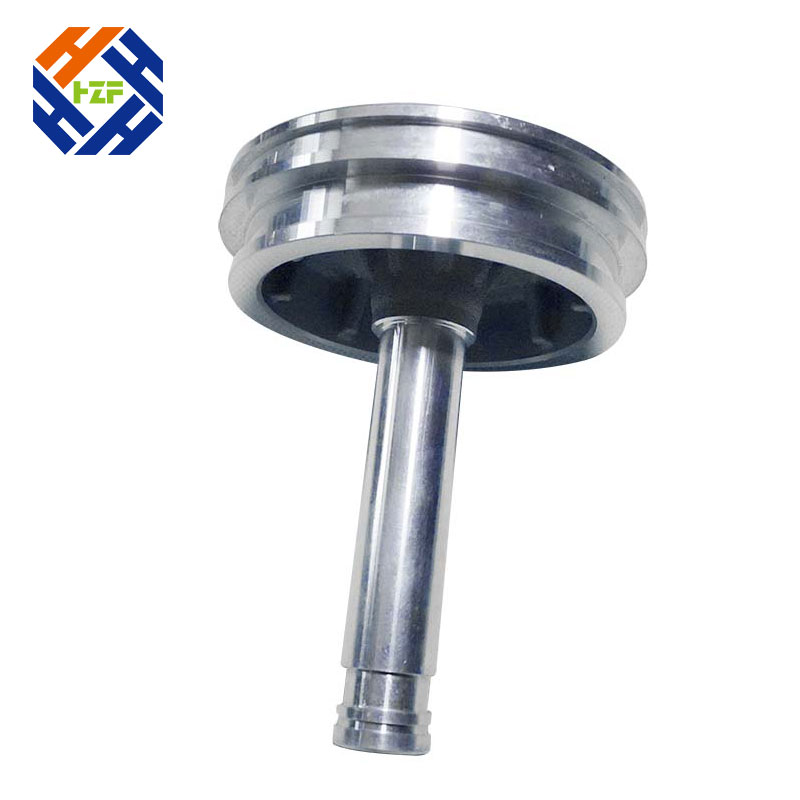
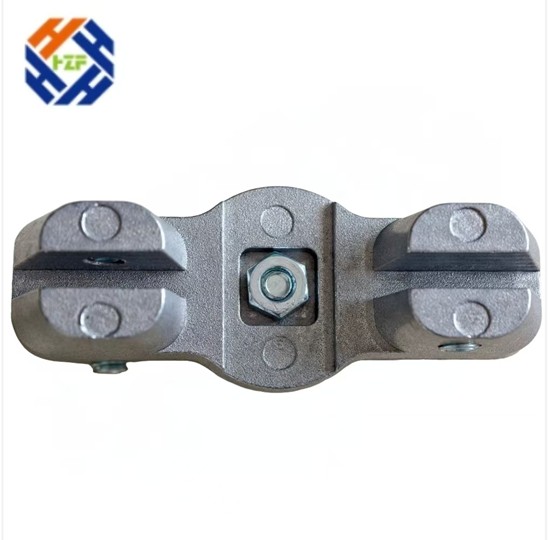
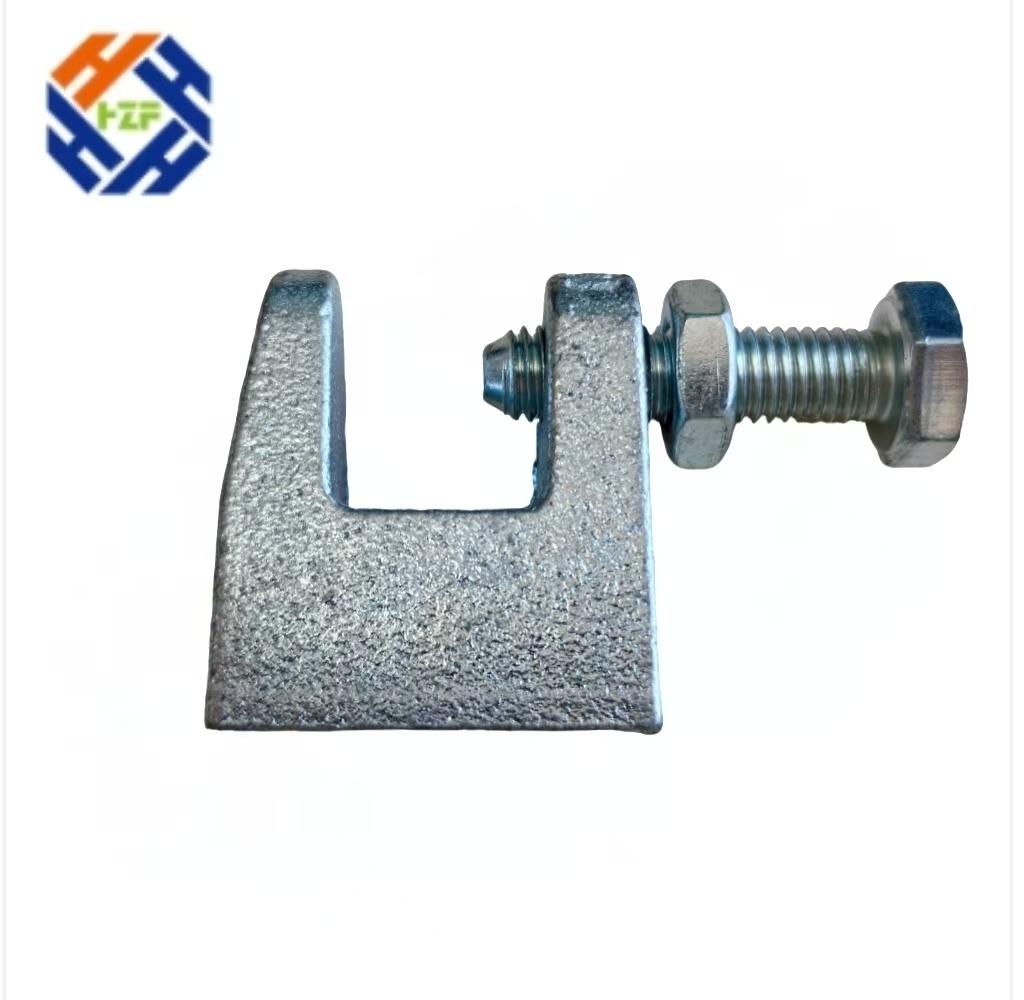
AlloysThanks to its superior overall performance, aluminum alloy stands out among common lightweight industrial metals and is selected for the majority of industrial lightweight structural applications.This material delivers a well-rounded combination of weight saving, structural rigidity, corrosion resistance and machinability. When adopted to replace conventional carbon steel components, aluminum alloy structures reduce equipment total mass while retaining reliable structural stability and load-bearing capability, complying with general mechanical design specifications for industrial equipment.Aluminum alloy is widely adopted for power transmission parts, industrial support frames, pipe clamps, automated equipment frames and structural components for new energy systems. The aluminum surface naturally forms a compact oxide protective layer, allowing stable operation in open-air, humid and slightly corrosive working conditions without complicated anti-corrosion coating procedures.Furthermore, aluminum features an extremely high recycling efficiency, which reduces raw material waste and manufacturing carbon output, and fits the low-carbon and circular transformation direction of modern manufacturing industries.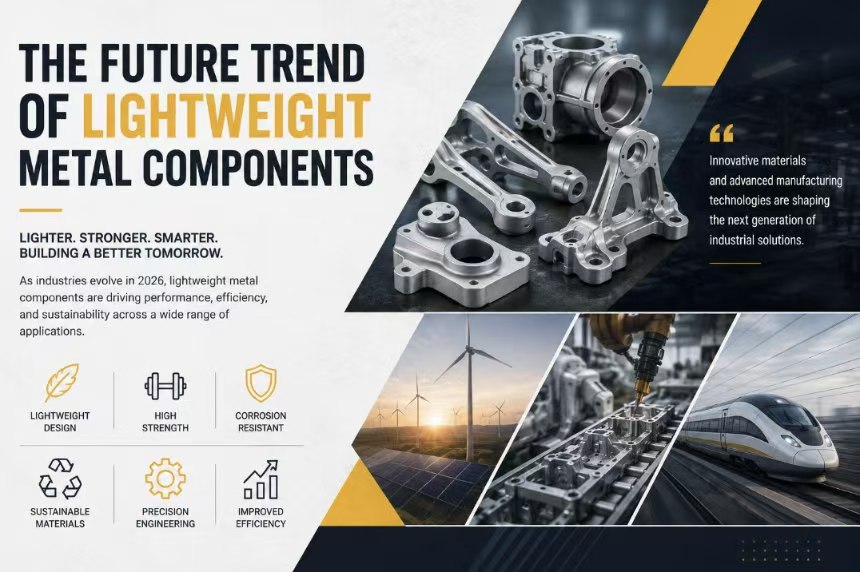
Power Equipment Industry
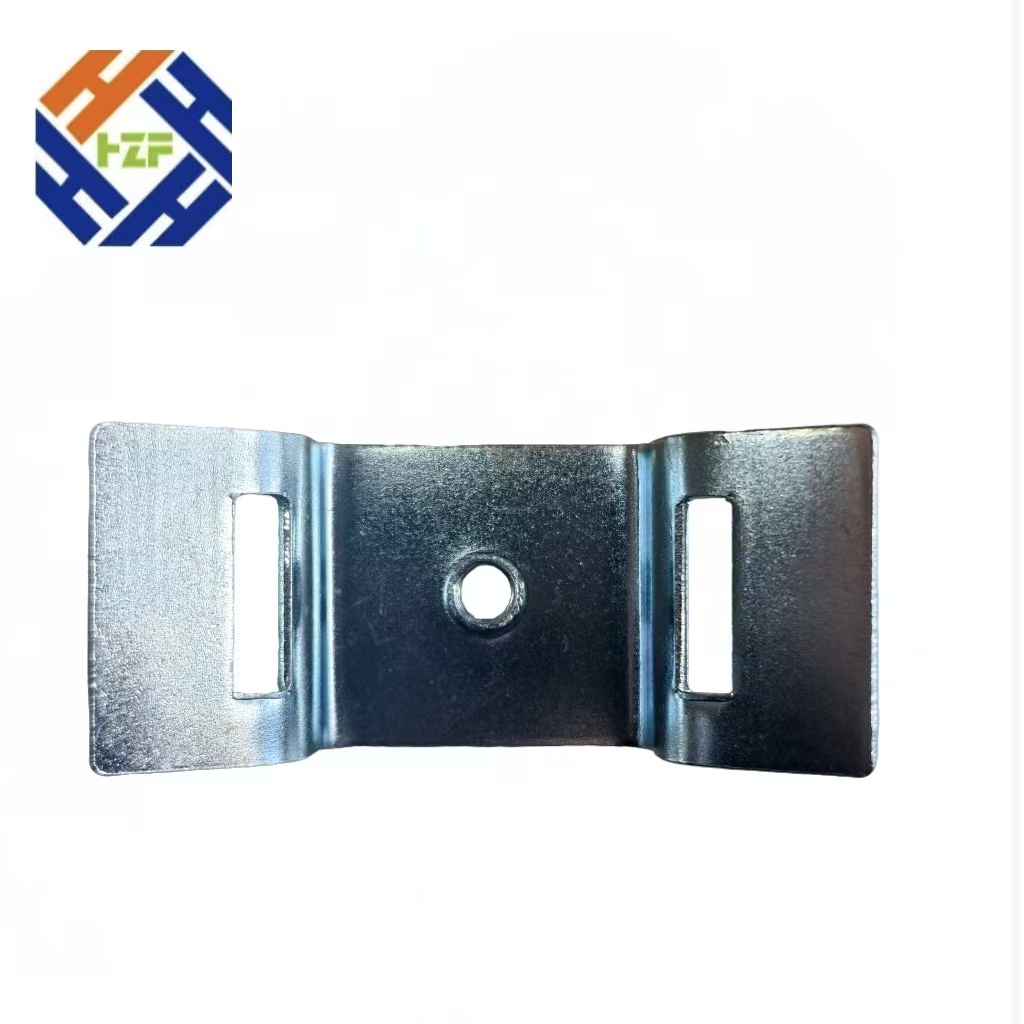
Lightweight aluminum alloy brackets, fixed pipe clamps, and power transmission accessories reduce the overall load of power equipment, simplify on-site installation procedures, and improve the installation efficiency and operational stability of power transmission and distribution facilities.
Renewable Energy Industry
Weather-resistant aluminum alloys are widely adopted for photovoltaic support systems and wind power supporting components. With excellent outdoor corrosion and aging resistance, these components adapt stably to open-air environments with drastic temperature fluctuations and ensure long-term stable operation of new energy equipment.
Industrial Automation & Robotics Industry
Industrial robots and automated motion equipment have prominent demands for lightweight structures. Lightweight components reduce motion inertia and motor load, improving equipment motion accuracy, response speed, and operational efficiency to meet the high-frequency and high-precision operational requirements of automated systems.
Transportation Industry
Commercial vehicles, rail transit equipment, and new energy electric vehicles continuously replace heavy traditional metal structures with lightweight components. This effectively reduces overall vehicle weight, improves energy efficiency and cruising performance, and lowers operational energy consumption.
Engineering Value of Customized Integrated Manufacturing
Standard general-purpose components can no longer meet the customized working condition requirements of modern industrial projects. Customized structural design and integrated manufacturing have become mainstream industry trends. Most industrial projects require customized specifications, mounting structures, mechanical properties, and weather resistance for structural components.
The integrated manufacturing model covering mold development, casting molding, precision machining, and finished product testing realizes full-link collaboration from design and production to quality inspection. It minimizes communication errors and process losses, shortens R&D iteration cycles, ensures unified performance, dimension, and quality of mass-produced products, and adapts to both small-batch prototyping and large-scale mass production demands.
Haozhifeng Machinery has long focused on the manufacturing of industrial components. We provide customized aluminum alloy casting, precision CNC machining and supporting metal component processing services for a wide range of industrial scenarios. The company covers the complete workflow including mold development, casting forming, precision machining, surface treatment and finished product inspection, delivering full one-stop solutions. We independently handle the whole process from customized project development to finished product delivery.
Our products are widely adopted in power equipment, general machinery, industrial automation, construction machinery and other industries. We develop lightweight metal components according to customers’ on-site working conditions, operational requirements and performance indicators, striking a balance between favorable mechanical properties, long-term durability and delivery efficiency. Strict control over machining accuracy and product quality is implemented throughout production to guarantee component stability. We keep optimizing lead times to satisfy diversified and customized procurement demands from clients.
FAQ
A1: The merits are mainly reflected in on-site construction and long-term operation & maintenance. Lightweight components help cut expenses on transportation, hoisting and installation and simplify field construction work. Besides, they improve equipment operation and lower energy consumption, supporting enterprises to achieve carbon reduction across the product lifecycle and advance sustainable development.
A2: Complete replacement is not achievable. Aluminum alloys gain advantages when weight reduction, corrosion resistance and lightweight assembly are major concerns. Nevertheless, steel remains irreplaceable under harsh working conditions featuring heavy loads, high strength requirements and severe abrasion. Material selection should be decided based on practical on-site operating conditions.
A3: The combination of sand casting and precision CNC machining stands out as a cost-effective solution. This process enables the forming of intricate structures and precise tolerance control. It balances manufacturing costs and product performance, making it well-suited for customized projects with small and medium order volumes.
A4: Structural strength can be guaranteed. With proper material selection, structural optimization and rigorous mechanical verification, lightweight components can meet load requirements under various industrial working conditions and ensure safe and stable equipment operation.
A5: Primary application sectors cover power equipment, renewable energy, industrial automation equipment, construction machinery, transportation equipment and agricultural machinery.
From a medium and long-term perspective, lightweight structural design will remain a key development trend in industrial equipment manufacturing starting from 2026. Driven by the industrial upgrade toward energy efficiency and eco-friendly production, market demand for aluminum alloy castings and precision-machined lightweight components will maintain steady growth.Future competition goes beyond individual machining procedures and centers on comprehensive strengths, including material optimization, structural scheme design, precision manufacturing and customized supporting services. Manufacturers equipped with integrated full-process production, consistent high-precision quality management, and the capability to rapidly process customized orders and shorten lead times will continuously fuel the iterative upgrading of new-generation lightweight industrial equipment.