Metal prices are one of the factors that affect the cost of custom parts, but the impact is not the same for every product.
For example, a steel bracket made from a standard plate may be relatively easy to price. The supplier can estimate the material weight, cutting time, hole machining and surface treatment based on the drawing. If the steel price changes, the material portion of the quotation can be recalculated.
A CNC-machined aluminum housing is a different case. The supplier needs to consider the size of the original billet, how much material will be removed during machining, the machining time and any finishing requirements. A large housing cut from solid aluminum may generate a considerable amount of scrap. In this case, the cost of the raw material and the machining process both matter.This is why a change in the market price of aluminum or steel does not automatically lead to the same percentage change in the price of a finished part.
Aluminum is widely used in industrial housings, fan components, brackets and other machined parts. Its supply chain can be affected by energy costs, production interruptions and transportation conditions.A Reuters analysis published on October 14, 2026, discussed disruptions to aluminum production in the Middle East. Additional exports from China and Indonesia have helped replace part of the missing supply, but buyers in different regions may still face different supply conditions and physical premiums.For a parts buyer, the practical question is not just whether the aluminum price has gone up or down. It is also whether the required alloy and material size are available when production is scheduled to start.Consider a customer ordering a batch of custom aluminum brackets. If the specified alloy and stock size are readily available, the supplier may be able to start machining according to plan. If the material needs to be sourced from another location, the lead time and transportation cost may change. The supplier may also need to confirm the material specification again before purchasing.Changing to a different alloy simply because it is cheaper is not always a suitable solution. The replacement material must meet the part's strength, corrosion resistance, weight and machining requirements.
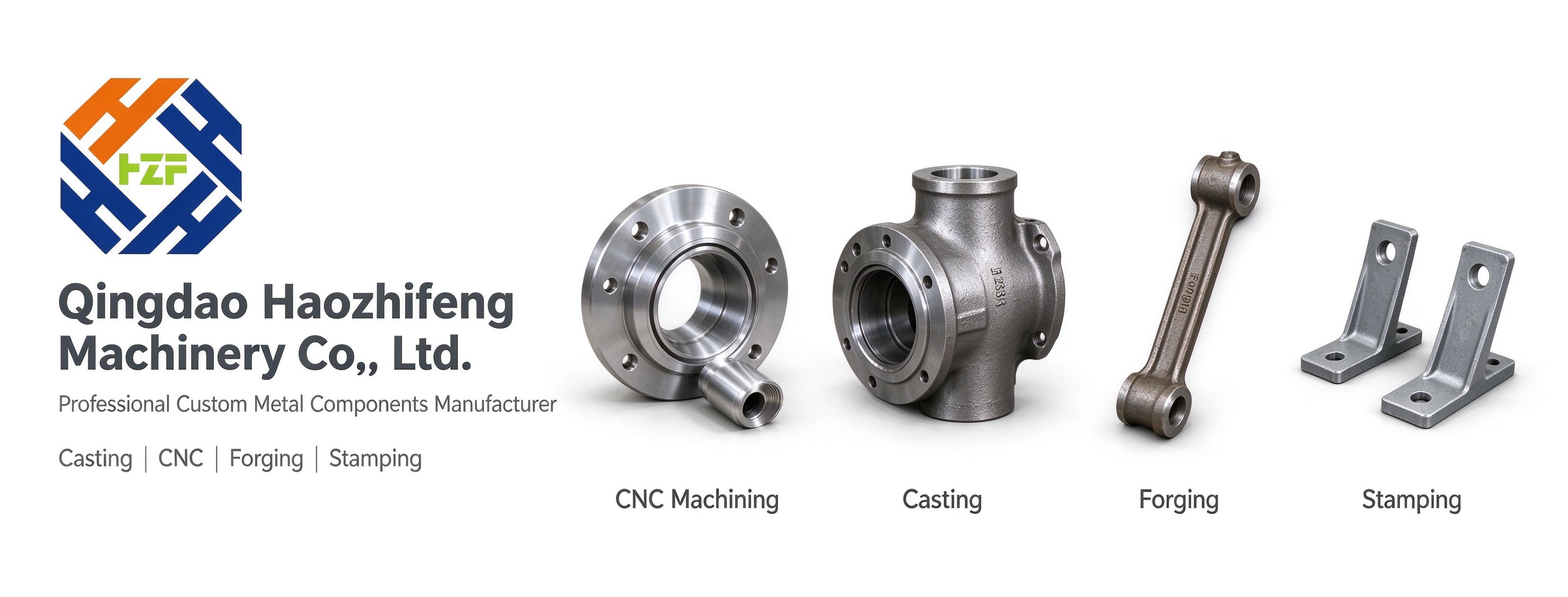
The effect of metal prices depends partly on how the part is made.
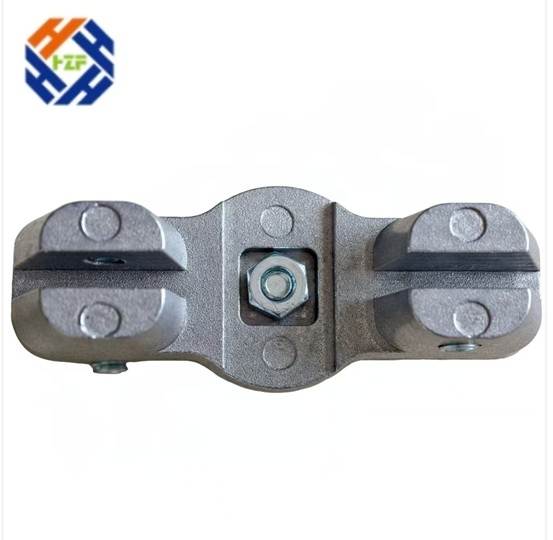
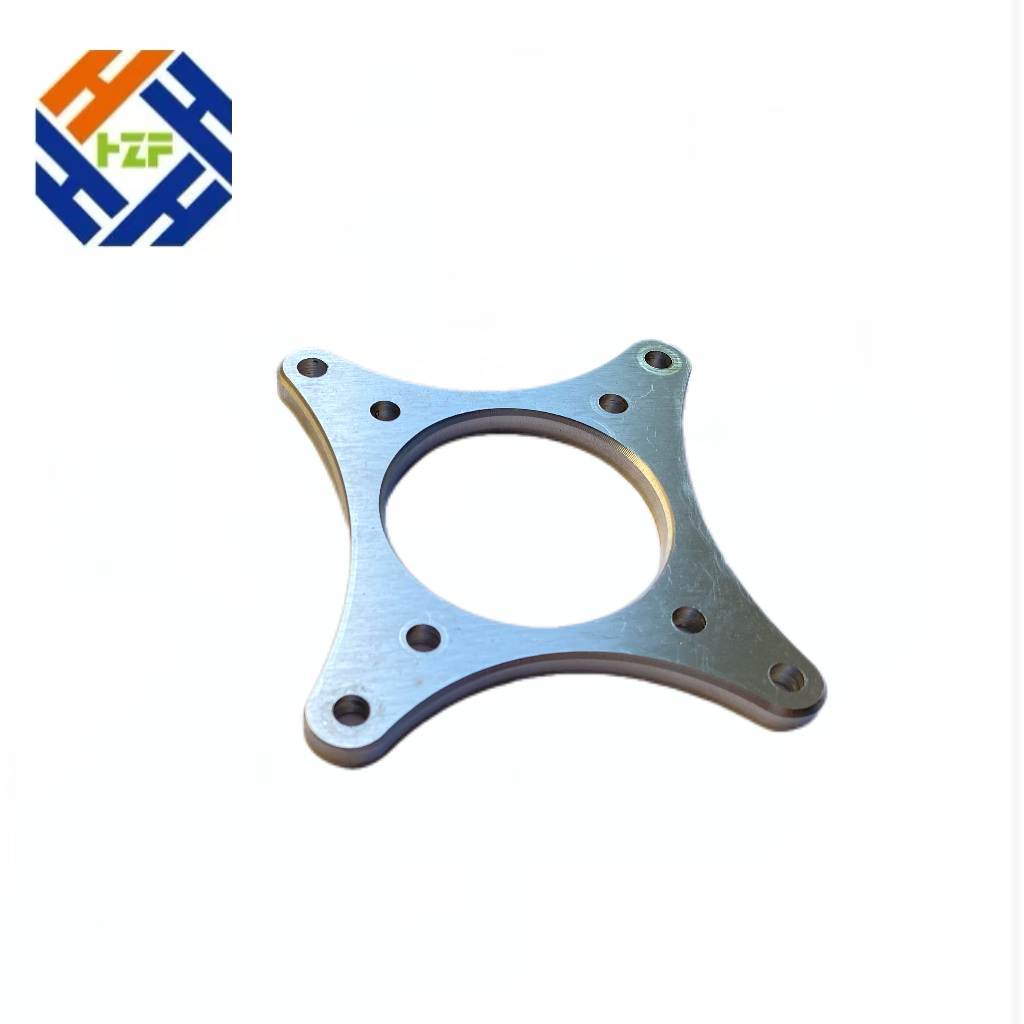
For machined parts, the quotation usually includes the raw material, machining time, tooling, inspection and surface finishing. Parts with deep pockets, thin walls or tight tolerances may require additional machining operations and inspection. Even if two parts use the same aluminum alloy, their prices can differ considerably because their drawings are different.
For cast components, the supplier needs to consider the casting process, mold or tooling costs, material consumption, casting yield and any machining required after casting. For a large order, the tooling cost may be spread across more parts. For a small trial order, it may account for a larger share of the unit cost.
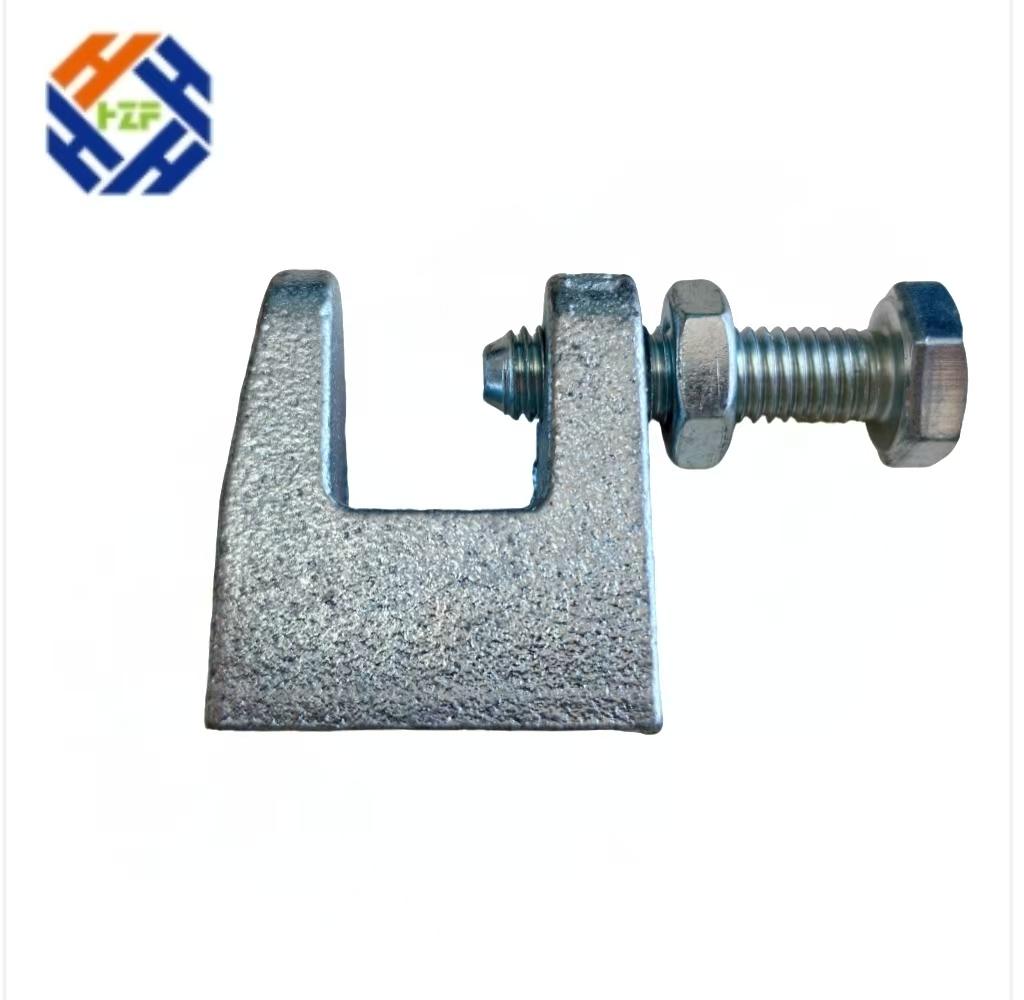
Steel brackets and support components may involve cutting, bending, drilling, welding and galvanizing. A change in steel prices affects the material cost, while the number of operations and the finishing specification determine much of the remaining production cost.These differences matter when buyers compare quotations. Two suppliers may offer different prices because they use different production processes, material sizes or finishing methods. Before choosing the lower quotation, it is worth checking whether both offers cover the same requirements.
There are a few details worth confirming before a custom metal parts order enters production.
First, check the material grade and dimensions on the drawing. If a part requires a specific aluminum alloy or steel grade, that requirement should be clear before the supplier purchases the material.
Second, ask how long the quotation is valid. When material costs are changing, a quotation may be based on the prices available at the time it was prepared. If the order is placed several weeks later, the supplier may need to confirm the material cost again.
Third, confirm the surface treatment. Zinc plating, hot-dip galvanizing, anodizing and powder coating involve different processes and costs. A quotation based on ordinary zinc plating should not be compared directly with one that includes hot-dip galvanizing.
Finally, provide the expected order quantity and delivery schedule as early as possible. A supplier can plan material purchasing differently for a trial batch of 50 parts and a repeat order of 5,000 parts. The quantity also affects tooling allocation, production scheduling and inspection arrangements.
Material prices are not the only reason a quotation changes. Missing dimensions, unclear tolerances or a surface treatment that has not been specified can also lead to revisions after the project has started.
For example, if a machined bracket requires a particular hole position to fit an existing assembly, the drawing should define that position and its tolerance. If the requirement is clarified only after machining begins, the supplier may need to revise the process or remake some parts.
At Haozhifeng, we review custom metal parts based on customer drawings, samples and project requirements. Depending on the component, production may involve CNC machining, metal casting and secondary machining.When requesting a quotation, buyers can help the review process by providing the material grade, critical dimensions, surface finish, order quantity and target delivery date. A 3D model is also useful when the part has complex geometry, although the manufacturing requirements should still be confirmed against the technical drawing.
These details give both sides a clearer basis for discussing cost, production time and delivery.
Send your drawing or sample requirements to Haozhifeng, and we can review the material and manufacturing process for your project.