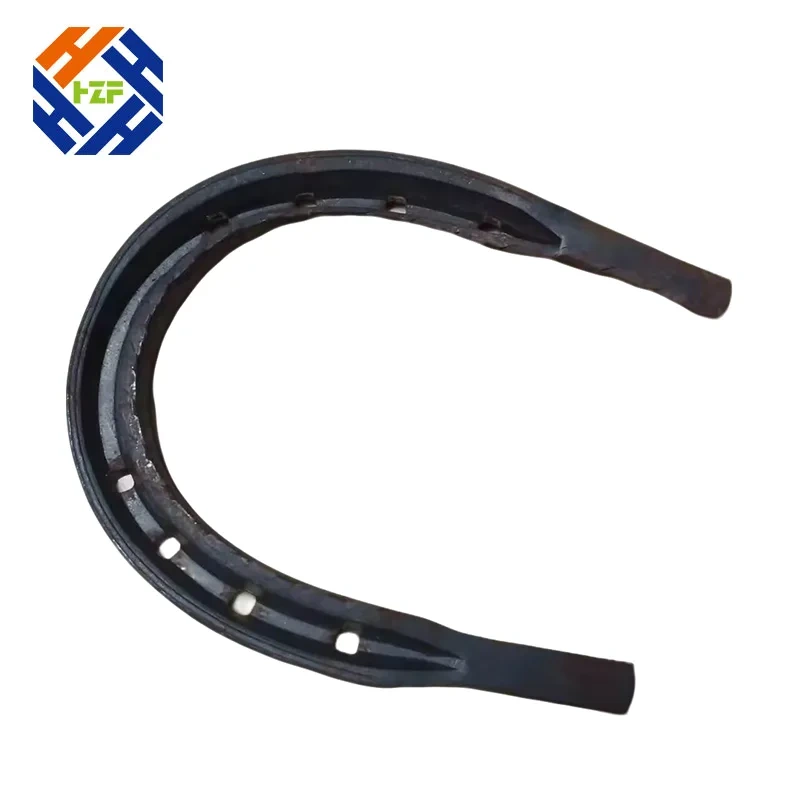
For centuries, horseshoes have been essential for protecting working and riding horses from hoof wear, especially on hard or rocky terrain. Among the materials used, cast iron remains one of the most widely adopted due to its cost-effectiveness, high hardness, and excellent wear resistance. The Cast Iron Horseshoes from Haozhifeng are manufactured using mature casting processes, available in front and hind styles with sizes ranging from #2 to #8 to accommodate different hoof dimensions. This article examines the product's features, material advantages, and the manufacturing quality that makes it a reliable choice for equine care, agriculture, and equestrian sports.
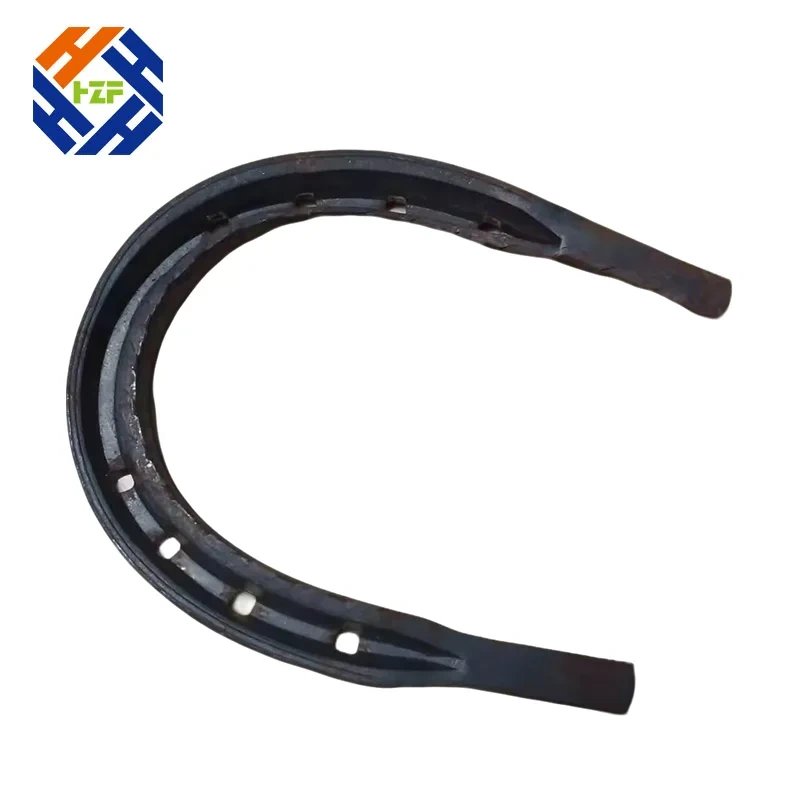
Horses have been domesticated for thousands of years, and their hooves have always required protection. A horse's hoof consists of a rigid keratin layer that naturally wears down through contact with the ground. However, when horses work on hard, rocky, or abrasive surfaces, natural wear can exceed the hoof's growth rate, leading to pain, lameness, and reduced performance. The Cast Iron Horseshoes from Haozhifeng provide a durable barrier that protects the hoof from excessive wear while offering traction and stability.
Cast iron has been used for horseshoe production since the 1st century BCE, and its popularity has persisted for good reason. The material is cost-effective, easy to cast, and offers sufficient hardness to withstand prolonged ground contact. While modern alternatives such as aluminum alloy shoes exist, cast iron remains the standard for many equine applications due to its balance of performance and affordability. The ability to trim and shape cast iron horseshoes to match individual hoof contours further adds to their practicality.
The following table summarizes the key specifications for the Cast Iron Horseshoes from Haozhifeng, available in front and hind styles with various sizes.
| Type | Size | Width (cm) | Material |
| Front Horseshoes | #2 | 10.7 | Iron |
| #3 | 11.9 | Iron | |
| #4 | 12.3 | Iron | |
| #5 | 12.7 | Iron | |
| #6 | 13.2 | Iron | |
| #7 | 13.7 | Iron | |
| #8 | 14.1 | Iron | |
| Hind Horseshoes | #2 | 10.1 | Iron |
| #3 | 11.6 | Iron | |
| #4 | 12.0 | Iron | |
| #5 | 12.5 | Iron | |
| #6 | 12.9 | Iron | |
| #7 | 13.6 | Iron | |
| #8 | 14.3 | Iron |
These size ranges accommodate different hoof dimensions, allowing for a proper fit that enhances comfort and performance. The availability of both front and hind styles reflects the different weight-bearing and propulsion requirements of each hoof.
The choice of cast iron for horseshoes is not arbitrary—it is based on a combination of material properties that make it well-suited for the demands of equine use.
Cast iron is relatively low-cost compared to other metals such as steel or aluminum. The raw materials are abundant, and the casting process is mature and efficient, allowing for large-scale production. This cost advantage makes cast iron horseshoes accessible to a wide range of users, from individual horse owners to large equestrian facilities.
Cast iron offers high hardness and excellent wear resistance, which are essential for protecting hooves from ground abrasion. Horses working on rocky or hard terrain benefit from the durability of cast iron shoes, which can withstand prolonged contact without excessive wear. This property extends the service life of the shoe and reduces the frequency of replacement.
Cast iron has high compressive strength, enabling it to bear the significant pressure generated when horses walk, trot, or gallop. This strength ensures that the shoe maintains its shape and integrity under load, providing consistent protection and support.
Cast iron horseshoes can be easily processed through cutting, drilling, and grinding operations. This allows farriers to precisely trim and shape the shoe to fit the individual contours of each horse's hoof, ensuring a comfortable and secure fit. The ability to customize the shoe is a key advantage for achieving optimal hoof health and performance.
The design differences between front and hind horseshoes reflect the different roles each hoof plays in a horse's movement.
Front horseshoes are the primary weight-bearing components, supporting a significant portion of the horse's body weight. They are designed to distribute pressure effectively and protect the hooves from excessive wear. As the first point of contact with the ground during movement, front shoes act as buffers, reducing impact forces on the horse's legs. They also provide traction for stability during running and turning, making them essential for both work and sport.
Unlike the U-shaped front shoes, hind horseshoes are oval-shaped and generally longer. Their shape is closer to a heart, which facilitates pushing off and gripping the ground. The design of hind shoes prioritizes propulsion efficiency, enabling the horse to generate power during running and acceleration. This design difference is critical for activities such as racing, jumping, and other performance disciplines where hind leg power is essential.
The Cast Iron Horseshoes from Haozhifeng are used in a variety of equine applications:
• Everyday riding and work – Protects hooves during daily riding, agricultural work, and transportation.
• Equestrian sports – Used in racing, show jumping, dressage, and other competitive disciplines where hoof protection and traction are essential.
• Trail and endurance riding – Provides reliable protection for horses covering long distances over varied terrain.
• Agricultural and utility work – Used on working horses in farming, logging, and other heavy-duty applications.
• Breeding and stud farms – Used to maintain hoof health and prevent injury in breeding stock.
• Historical and equestrian demonstrations – Traditional cast iron horseshoes are still used in reenactments and cultural events.
The versatility and proven performance of cast iron shoes make them a standard choice across these applications.
A: Yes, custom sizes and specifications are supported. We provide video tutorials for hoof measurement to ensure proper fit.
A: Yes, we welcome trial orders and small-batch orders to help new customers evaluate product quality and sizes.
A: Horseshoes protect hooves from wear and damage caused by hard or abrasive surfaces, and they prevent slipping during movement.
A: Yes, these shoes prevent excessive wear and deformation while increasing friction with the ground, making them suitable for racing and other high-performance disciplines.
A: Front shoes are U-shaped and designed for weight-bearing and impact absorption; hind shoes are oval-shaped and longer, designed for propulsion and grip.
A: The lifespan depends on the horse's activity level and terrain. When worn down, the shoes can be easily removed and replaced.
The Cast Iron Horseshoes from Haozhifeng offer a proven, cost-effective solution for hoof protection and performance enhancement. With high hardness, excellent wear resistance, and the ability to be customized for individual hoof shapes, these shoes meet the needs of a wide range of equine applications. Backed by over 20 years of experience in machining and casting, Haozhifeng provides products that combine traditional functionality with modern manufacturing quality. For inquiries, samples, or to discuss your specific requirements, the Haozhifeng team is available to provide product information and professional support.