As a professional forging parts supplier, Haozhifeng® produces cast iron horseshoes that feature a simple structure, high hardness and excellent wear resistance. This easy-maintenance characteristic enables horses to maintain a consistently good working condition.
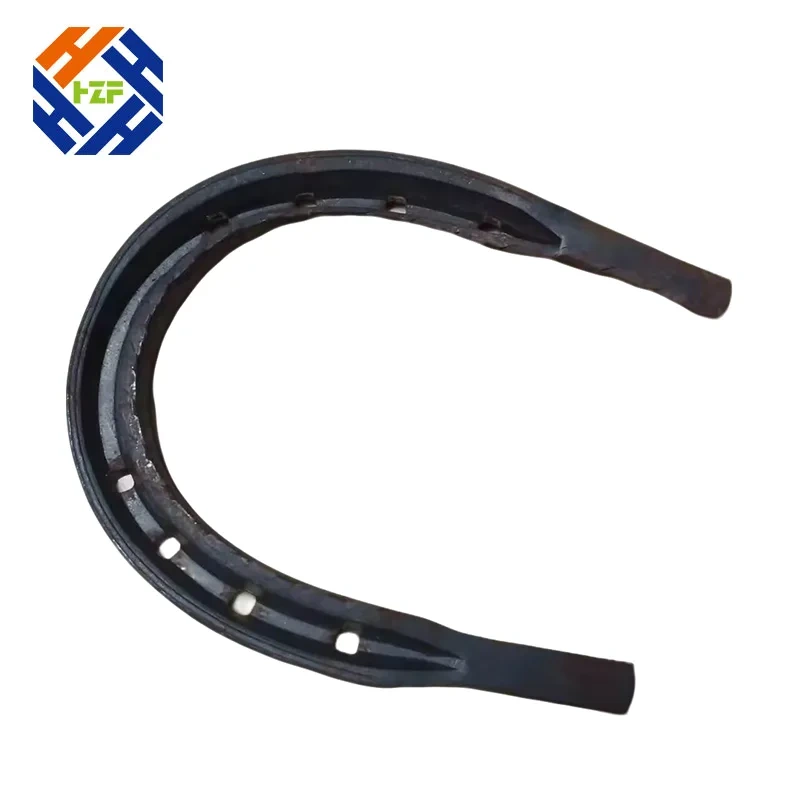
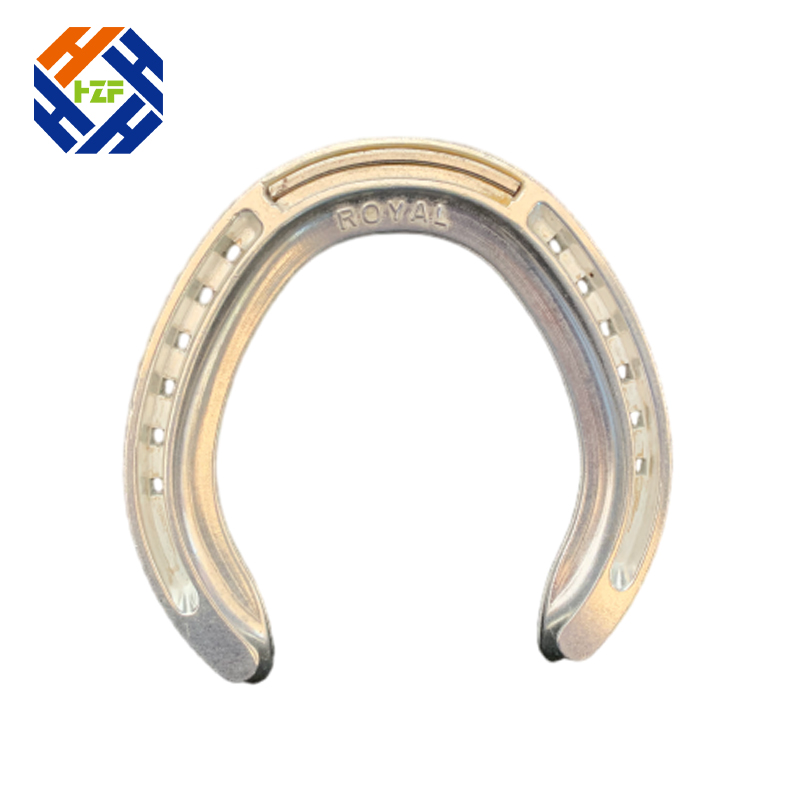
Cast iron horseshoes are iron hoof-shaped fittings nailed to the hooves of horses, mules, and other livestock. They are typically U-shaped in design. A horse’s hoof consists of a rigid 2-3 cm thick keratin layer combined with living horn tissue. Cast iron horseshoes can prevent hoof damage caused by mud erosion and road surface friction, thereby enhancing stability during riding and transportation operations. Traditional horseshoes were hand-forged from cast iron and aluminum; in modern times, aluminum alloy horseshoes have also emerged as an alternative.
Cast iron is the most widely used material for horseshoe production, thanks to its low cost and excellent malleability. Horseshoes serve to protect horse hooves from wear and tear, especially when traversing hard or rocky terrain. Much like how we wear shoes to shield our feet, horses benefit significantly from this extra layer of support.
The use of cast iron horseshoes dates back to the 1st century BCE. After conquering Great Britain, the Romans fitted horseshoes to the horses. By the 5th and 6th centuries, nailing iron horseshoes onto horse hooves had become standard practice, a development that revolutionized the way humans worked alongside horses. This simple yet highly effective invention enabled horses to work for extended periods across diverse terrain types, providing a tremendous boost to the advancement of agriculture, transportation, and military affairs.
In summary, cast iron horseshoes stand out as an ideal choice for protecting horse hooves and improving equine work efficiency, thanks to their outstanding overall performance and cost-effectiveness. They have played a pivotal role in the evolution of human civilization.
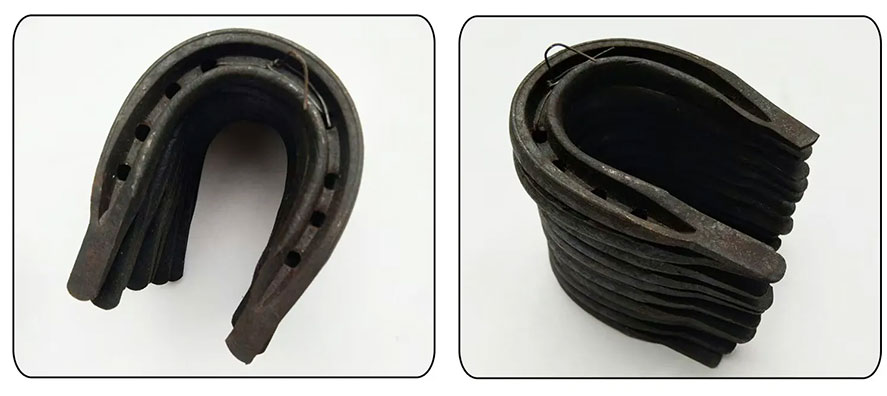
When worn down to a certain extent, these horseshoes can be easily removed and replaced with new ones, allowing for straightforward operation.
| Specification | Width | Material | |
| Front horseshoes | #2 | 10.7cm | Iron |
| #3 | 11.9cm | Iron | |
| #4 | 12.3cm | Iron | |
| #5 | 12.7cm | Iron | |
| #6 | 13.2cm | Iron | |
| #7 | 13.7cm | Iron | |
| #8 | 14.1cm | Iron | |
| Hind horseshoes | #2 | 10.1cm | Iron |
| #3 | 11.6cm | Iron | |
| #4 | 12.0cm | Iron | |
| #5 | 12.5cm | Iron | |
| #6 | 12.9cm | Iron | |
| #7 | 13.6cm | Iron | |
| #8 | 14.3cm | Iron |
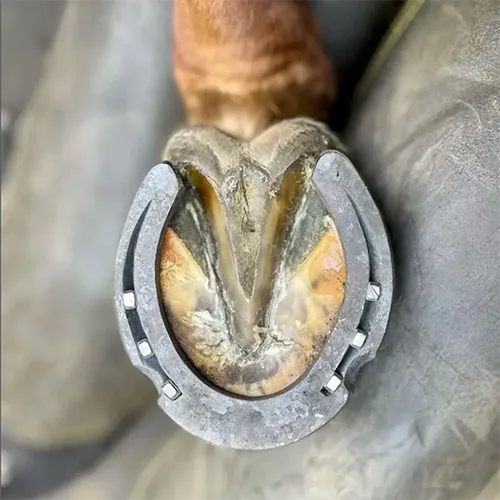
Cast iron features relatively low material costs and mature casting processes. It is suitable for large-scale production and thus becomes the most commonly used material for manufacturing horseshoes. Compared with other metal materials such as steel and aluminum, cast iron is much more cost-effective. This advantage significantly reduces the production costs of horseshoes and enables them to meet the usage demands of a large number of horses.
Cast iron horseshoes boast high hardness and excellent wear resistance, which can effectively withstand friction and abrasion against the ground. When horses travel long distances on rocky or hard terrain, cast iron horseshoes can protect their hooves from catastrophic wear and tear, extending the service life of the hooves. This wear-resistant property allows horses to work under various complex road conditions.
Cast iron has high compressive strength, which enables it to bear the enormous pressure generated when horses walk and run.
Cast iron horseshoes can be easily subjected to processing operations such as cutting, drilling and grinding. This allows horseshoes to be precisely trimmed according to the hoof shapes of different horses, ensuring a perfect fit with the hooves and enhancing wearing comfort.
Cast iron has a certain degree of corrosion resistance and can resist erosion by moisture and general chemicals. Therefore, cast iron horseshoes can maintain a relatively long service life under daily operating conditions.
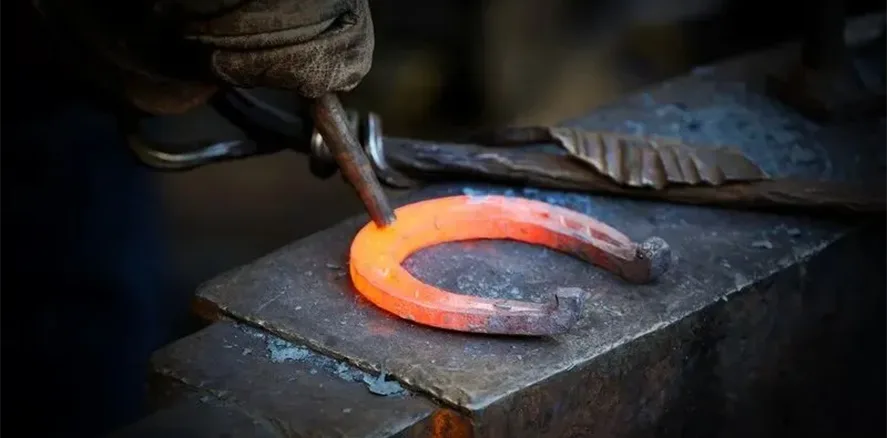
Front horseshoes: The front horseshoes are the primary weight-bearing parts of a horse. Front horseshoes can effectively distribute the pressure of the horse’s body weight and protect the hooves from excessive wear. As the front horseshoes are the first to make contact with the ground during movement, front horseshoes act as a buffer to reduce the impact force on the horse’s legs. In addition, front horseshoes provide excellent traction, ensuring the horse’s stability during running and turning.
Hind horseshoes: Unlike the U-shaped front horseshoes, hind horseshoes are oval-shaped. They are generally longer than front horseshoes and their shape is closer to a heart, which facilitates pushing off and gripping the ground. The design of hind horseshoes prioritizes pushing efficiency, enabling the horse to fully unleash its power during running.
Q1: Do you support custom cast iron horseshoes? How do you measure the size of a horse's hoof?
A1: Of course, we will provide a video tutorial for horseshoe measurement.
Q2: Do you accept small-batch orders?
A2: Yes, we welcome trial orders and small-batch orders to help new customers evaluate product quality and sizes.
Q3: Why does a horse need to wear horseshoes?
A3: Horseshoes are mainly used to protect horse hooves from wear and damage, and prevent horses from slipping when walking or running.
Q4: Can cast iron horseshoes be used for horse racing competitions?
A4: Yes. Our horseshoes can prevent excessive wear and deformation of horseshoes while increasing friction with the ground, making them suitable for horse racing competitions.