For the past few years, many global manufacturers have been moving part of their production and sourcing away from China. Tariffs, geopolitical risks and the idea of a “China + 1” supply chain encouraged companies to explore manufacturing bases in Vietnam, India and other markets.But the situation is becoming more complicated.A recent Reuters report shows that some companies that moved production out of China are now reconsidering those decisions. After trying to build new supply chains overseas, some manufacturers found that the expected cost advantages were not always easy to achieve. Supplier networks, skilled workers, reliable power supply and production efficiency remain difficult to replicate on the same scale.This change is particularly relevant to the custom hardware and metal parts industry.
When buyers compare manufacturing locations, labor cost is often one of the first numbers they look at. However, for custom metal parts, labor is only part of the total production cost.A CNC machined component, casting or stamped metal part may require several suppliers for raw materials, tooling, machining, heat treatment, surface finishing and packaging.If these suppliers are located close to each other, production can be coordinated more efficiently. If the supply chain is spread across different regions, transportation, communication, quality control and production scheduling can add unexpected costs.This is one reason why China's manufacturing ecosystem remains attractive to many industrial buyers.
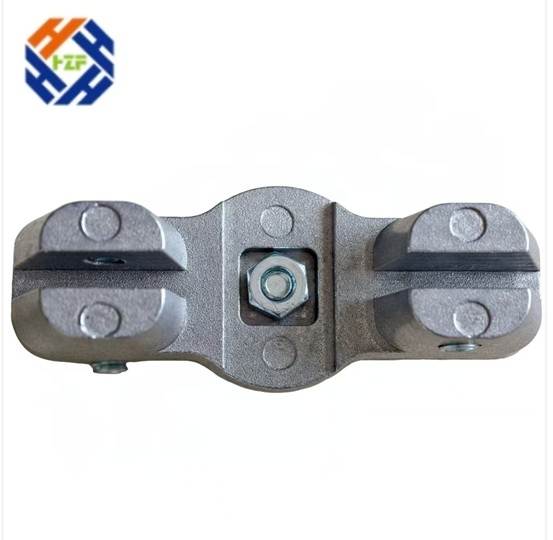
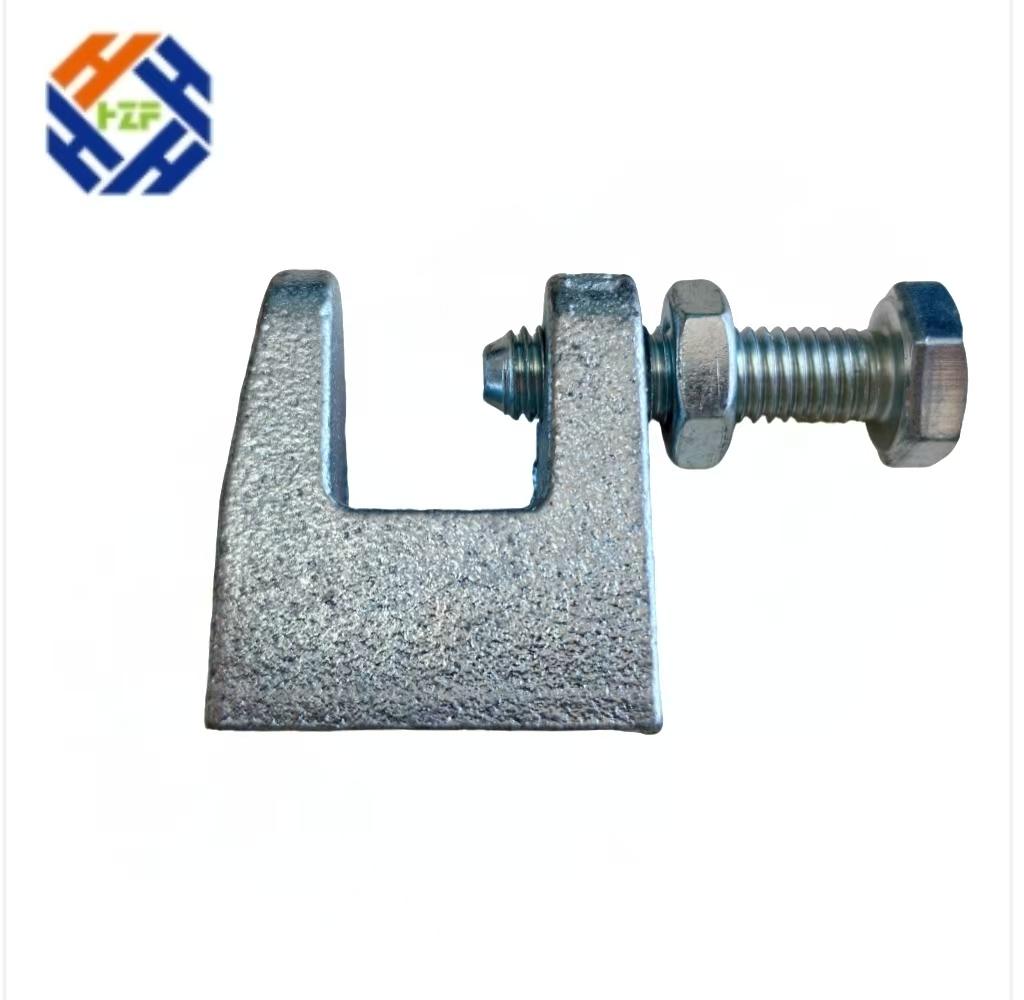
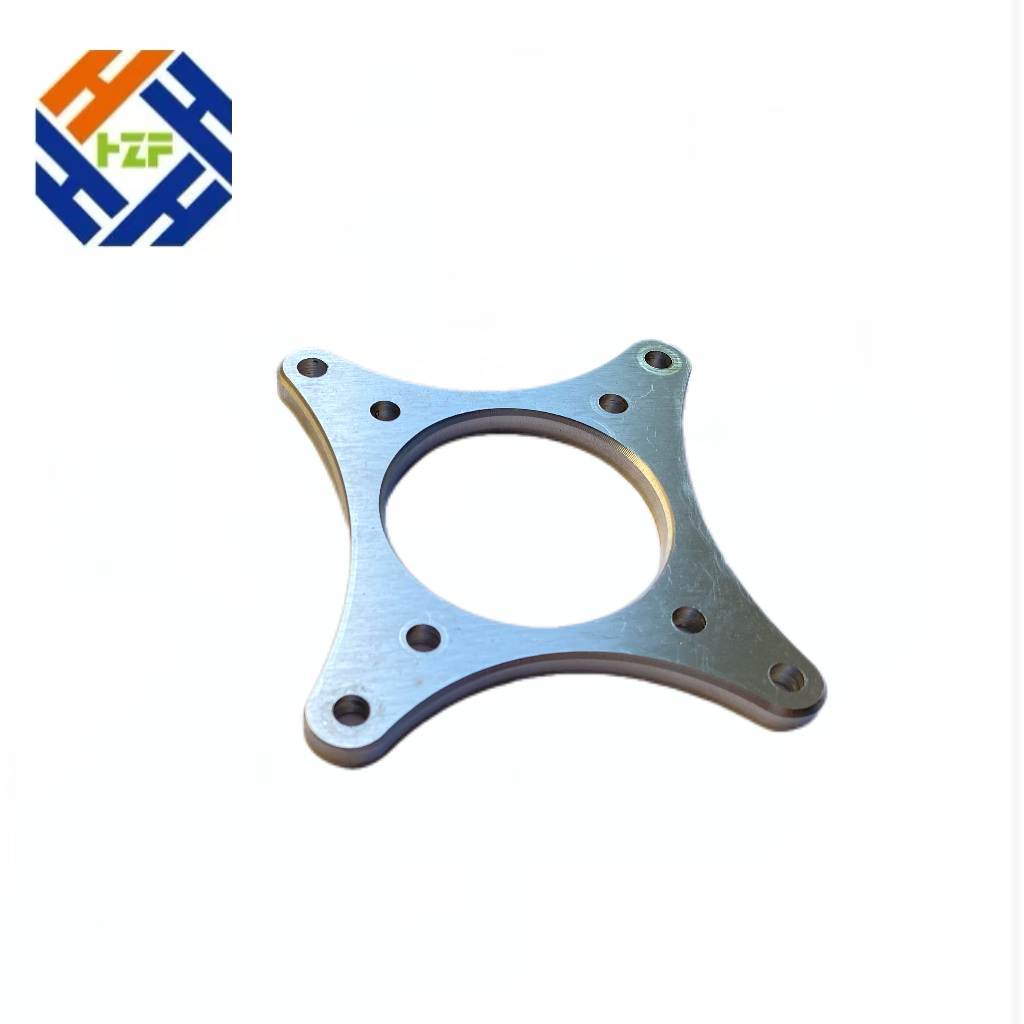
Custom hardware is different from standardized consumer products.A buyer may need a CNC machined bracket in one project, a cast component in another, and a specially finished steel part for the next order. These products require engineering support and flexible production rather than simply low-cost labor.China has developed a large network of suppliers covering machining, casting, forging, stamping, surface treatment, heat treatment and other manufacturing processes.For buyers, this can make it easier to move from drawing review to sampling and mass production without rebuilding the entire supply chain.
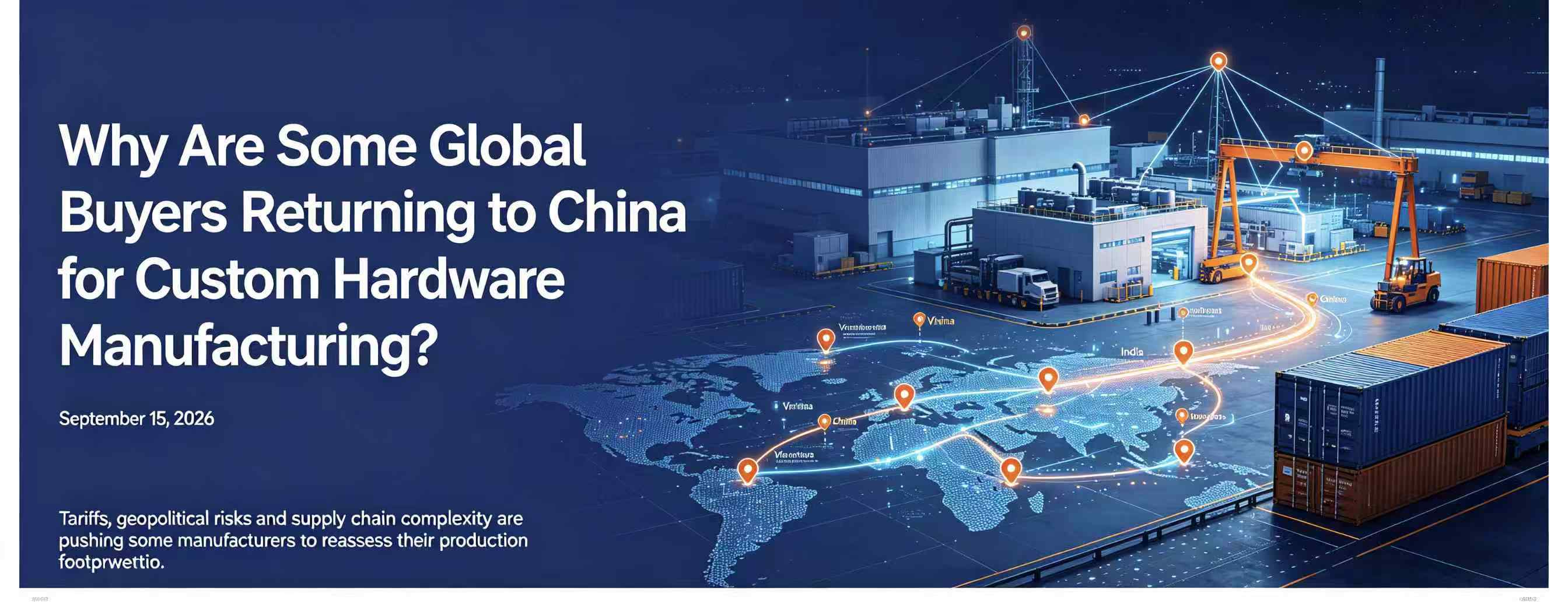
The latest trend does not mean global manufacturers are abandoning Southeast Asia or India.Many companies will continue to diversify production because tariff exposure, regional markets and geopolitical risks remain important considerations.The more practical approach may be to maintain multiple manufacturing locations while keeping experienced Chinese suppliers in the supply chain.For custom hardware buyers, this means the question is changing from “Which country has the lowest factory price?” to “Which supply chain can provide the best combination of cost, quality, lead time and technical support?”
For companies purchasing CNC machined parts, castings, brackets, fasteners and other metal components, supplier selection is becoming more comprehensive.A competitive supplier needs to provide more than a low quotation. Engineering communication, drawing review, material selection, production control, inspection and surface finishing can all affect the final cost and delivery schedule.At Haozhifeng, we see this as an important part of custom manufacturing. Our production services cover CNC machining, metal casting and customized hardware components, with production based on customer drawings, samples and technical requirements.As global supply chains continue to change, buyers may not simply move production from one country to another. Instead, they are likely to build more flexible supplier networks and choose manufacturing partners based on their actual production capabilities.The return of some orders to China is therefore not simply a reversal of globalization. It is a reminder that a strong manufacturing ecosystem can be difficult to replace.