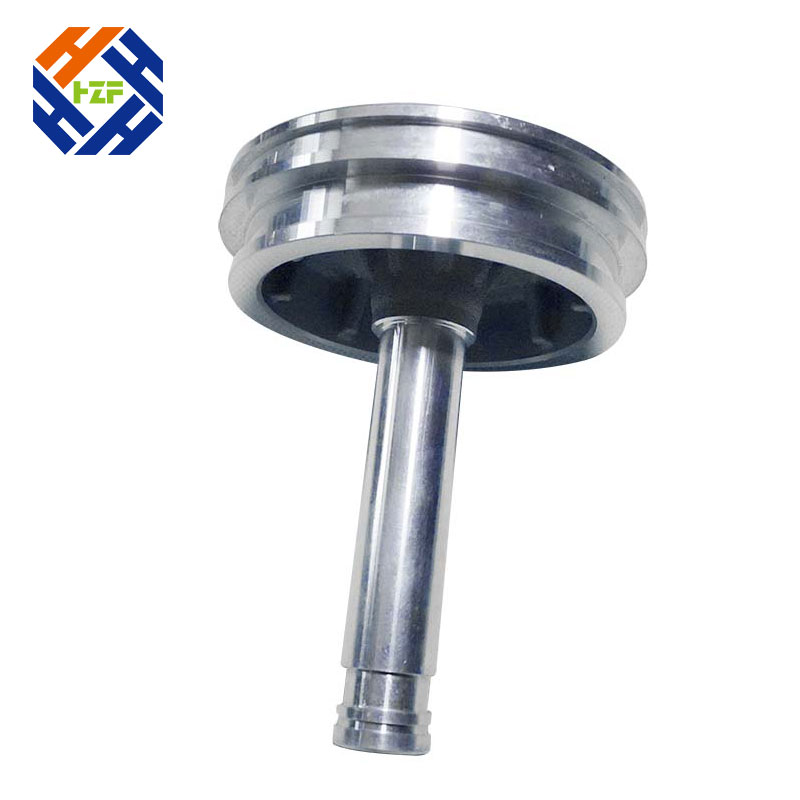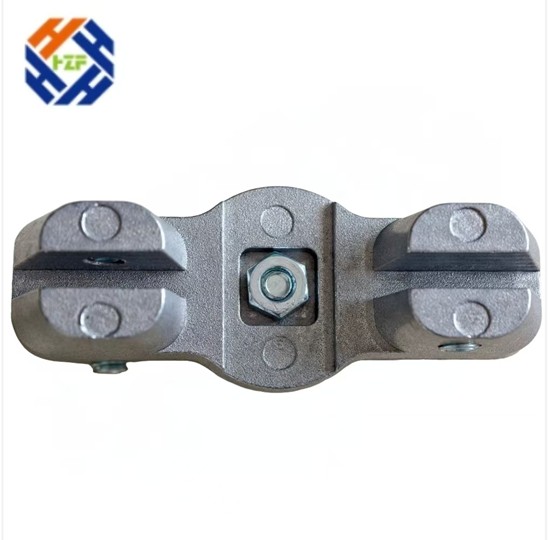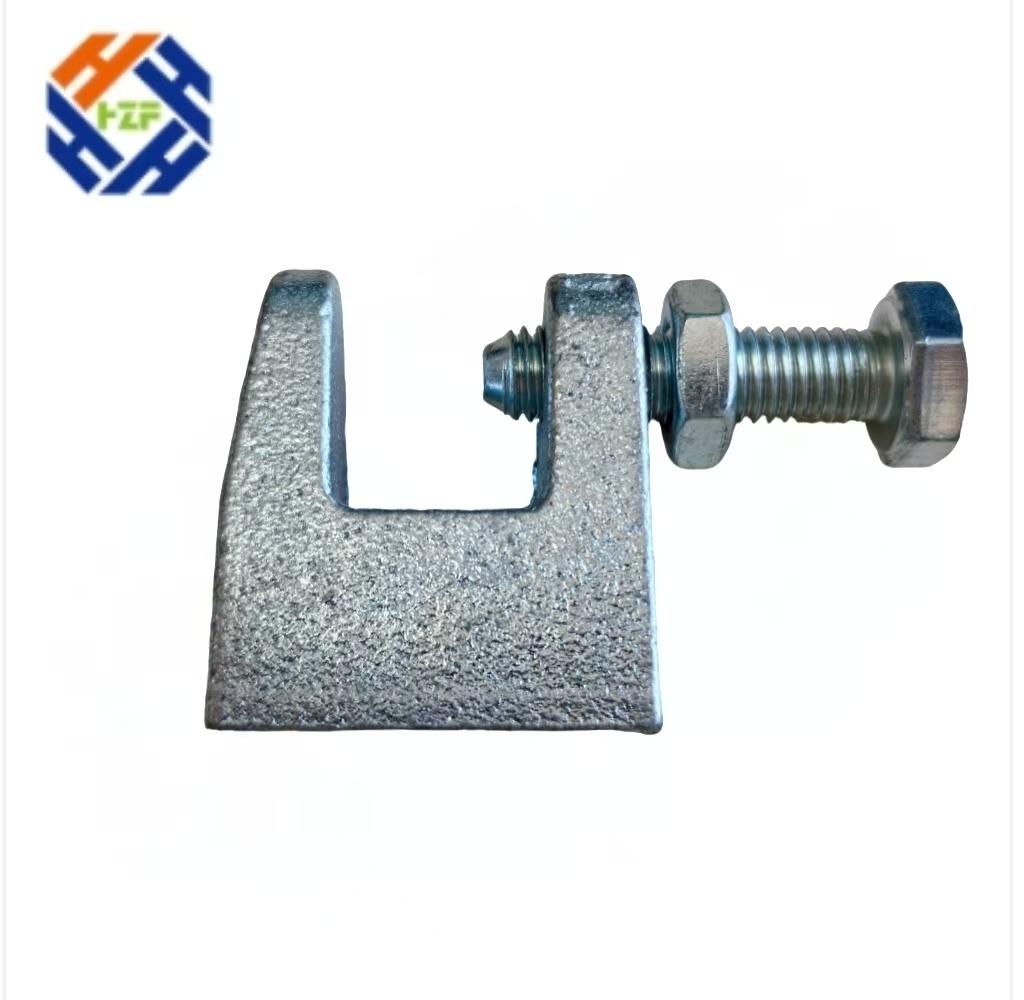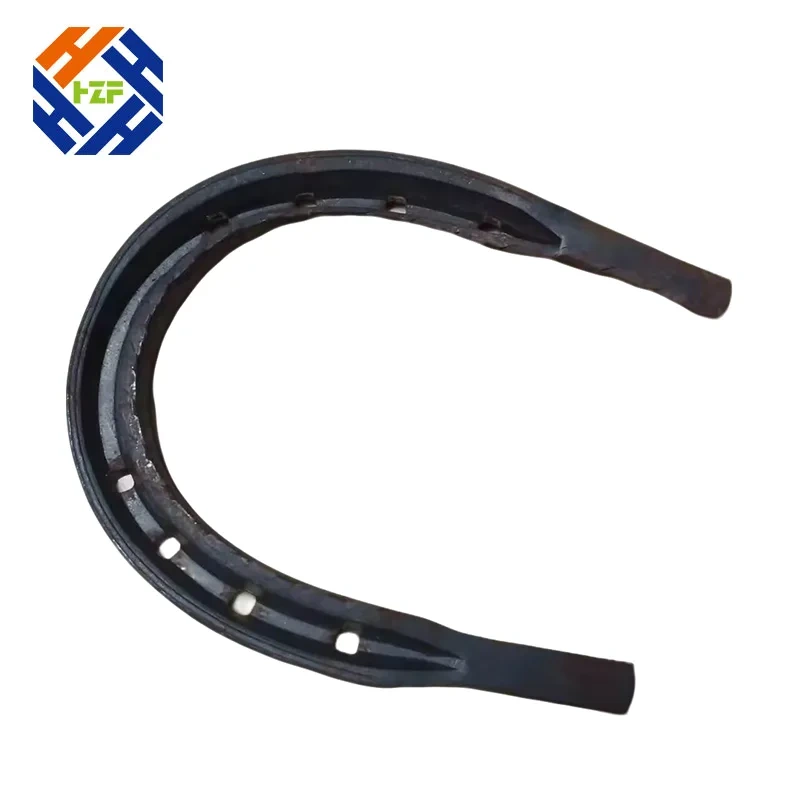
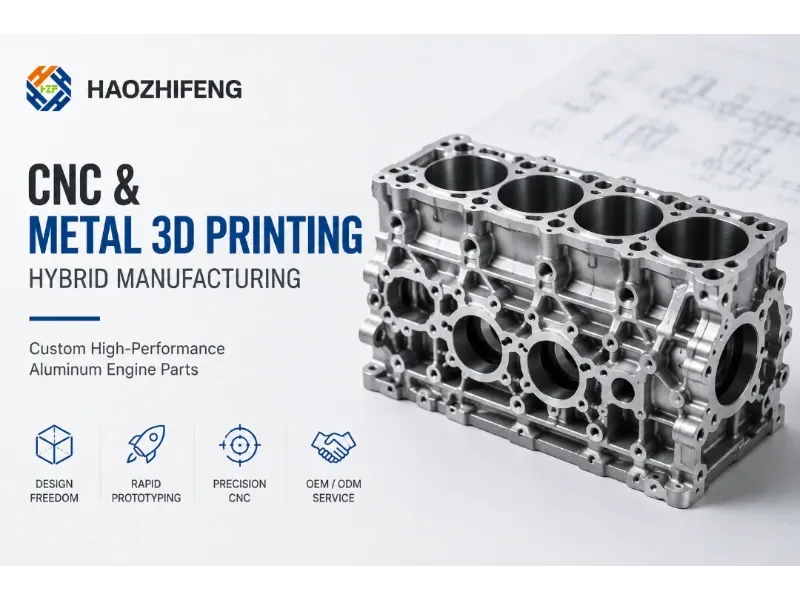
While mature processes such as aluminum sand casting and high-pressure die casting have long dominated mass production of engine components, composite manufacturing combining CNC machining and metal 3D printing boasts greater strengths for high-performance, customized aluminum engine parts. Compared with traditional casting, composite manufacturing requires no costly molds and shortens product development cycles. For research projects involving repeated optimization of structures including combustion chambers and cooling oil passages, production can be restarted simply by adjusting 3D models without frequent mold making and modification, cutting development costs effectively.
Leveraging aluminum alloys featuring light weight, favorable thermal conductivity and moderate strength, the additive-subtractive process produces engine components balancing light weight and heat dissipation performance, widely adopted in customized sectors including high-performance automobiles, special machinery, aviation power systems and generator sets. The two technologies complement each other: 3D printing forms complex special-shaped structures, while CNC performs precision finishing on key positions to balance design freedom and assembly accuracy. This new manufacturing model advances aluminum engines toward light weight, high power density and rapid customization. It has become the mainstream manufacturing method for high-end racing, aviation and special power equipment, continuously driving the upgrading of the automotive power manufacturing industry.
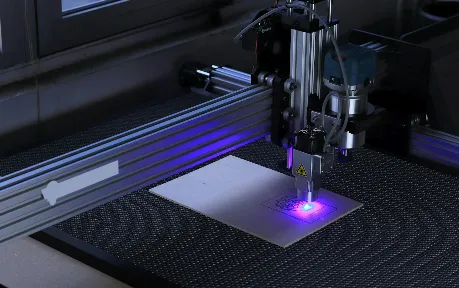
Flexible support for diversified deep processing: After blank forming, further deep processing is available including 5-axis CNC precision milling, thread machining, high-precision hole machining, surface sandblasting, polishing, anodizing, anti-corrosion painting, welding and air tightness testing. These processes improve dimensional accuracy, surface quality and anti-corrosion capacity to meet engine operating requirements.
1. High-performance automotive power: Engine cylinder heads, intake manifolds, pistons and cooling housings. Optimized cooling structures improve heat dissipation efficiency and reduce weight.
2. Special engineering machinery power: Engine housings for small generator sets and hydraulic aluminum components, adapting to complex working conditions and frequent transportation.
3. Racing and modified power equipment: Customized engine assembly components, supporting rapid design adjustment and performance optimization.
4. Small aviation and marine power units: Lightweight aluminum power components with controlled weight and guaranteed structural strength.
5. Industrial pumps, valves and range extender equipment: Complex components such as housings and fluid chambers. Optimized internal flow channels boost operational efficiency.
For high-performance customized aluminum engine components, composite manufacturing combining CNC machining and metal 3D printing delivers distinct advantages in structural freedom, research efficiency and small-batch production. It enables complex integrated structures unachievable by traditional casting or single machining process. Haozhifeng relies on mature additive-subtractive manufacturing capacity and complete precision processing system to provide customers with one-stop manufacturing services for aluminum alloy engine components ranging from sample development to medium and small batch production, satisfying varied project requirements on quality, lead time and customization.