The rapid expansion of AI data centers is changing how semiconductor manufacturers allocate their production capacity. While demand for AI related chips and power components continues to increase, some suppliers are reducing their focus on traditional semiconductor products used in automotive and industrial equipment.According to a Reuters report published on November 10, 2026, Nexperia's interim CEO Stefan Tilger said that demand for the company's products had exceeded its available supply. Some semiconductor manufacturers and foundries are shifting production resources toward AI data centers and robotics, leaving less capacity for mature-node components used in vehicles and industrial equipment.STMicroelectronics CEO Jean-Marc Chery also pointed to bottlenecks at foundries and chip-packaging companies. These facilities previously supplied a wide range of automotive and industrial customers.The issue is not limited to advanced AI processors. Basic components such as diodes and transistors are also facing supply pressure.
Not every electronic component requires an advanced manufacturing process.Many industrial products use mature node semiconductor devices, including:
• Diodes: Used for rectification, reverse-polarity protection and voltage control.
• Transistors: Used for switching and controlling electrical signals.
• Power management components: Used to regulate voltage and current in control systems and power supplies.
These components are found in motor drives, industrial power supplies, automotive electronic control units and electrical distribution equipment.The supply problem is partly related to how manufacturers allocate their production capacity. When a foundry moves equipment or production lines toward higher demand products, it cannot always replace the lost capacity immediately.Building or converting semiconductor production facilities also takes time. The process involves equipment installation, process qualification, product testing and customer approval.As a result, even a relatively simple component may have a longer purchasing lead time when its production capacity becomes limited.
The impact becomes easier to understand when looking at actual equipment.
Automotive electronic systems
A vehicle uses semiconductor components in its engine control unit, battery management system, lighting control, braking electronics and power distribution system.For example, if a specific diode or transistor used in a control module is unavailable, the module manufacturer may not be able to complete the circuit board assembly. Even if the housing, connectors and other mechanical parts are ready, the finished module cannot be delivered.
Industrial motor control systems
Variable frequency drives and motor controllers use power semiconductors to control motor speed and current.These components are installed on circuit boards and connected to heat sinks, enclosures and electrical terminals. A shortage of one specified component may delay the complete control unit.
Industrial automation equipment
PLC control cabinets, sensors and machine safety systems also depend on semiconductor components.If the electronic control unit is delayed, the machine builder may have to postpone wiring, testing and final assembly.This is how a shortage in the semiconductor sector can affect production schedules across several manufacturing industries.
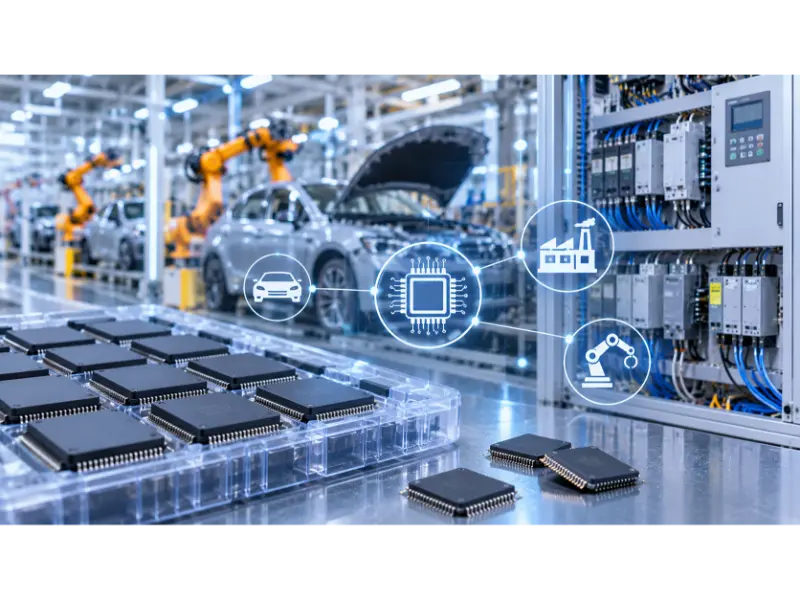
The effect on metal processing is usually indirect. A metal component does not necessarily become unavailable because of a semiconductor shortage. However, its production and purchasing schedule may change when the complete machine or equipment cannot be assembled.
Consider an industrial motor control cabinet as an example.
Its mechanical and electrical parts may include:
• Sheet-metal cabinet housing
• Internal mounting plates
• DIN rail support brackets
• Cable entry plates
• Aluminum heat sinks
• Machined connectors and mounting blocks
The manufacturing processes for these parts are different.
A sheet metal housing may require laser cutting, bending, welding and powder coating. An aluminum heat sink may require extrusion or casting, followed by cutting and CNC machining. A mounting block may require milling, drilling, tapping and deburring.If the electronic components are delayed, the equipment manufacturer may postpone the entire assembly. As a result, the metal parts supplier may receive a request to hold finished products, change delivery dates or divide an order into smaller batches.This creates a scheduling problem even when the metal materials and machining capacity are available.
When manufacturers need to change suppliers or arrange replacement parts, incomplete technical information can create additional delays.
For custom metal components, suppliers normally need to confirm several details before production:
Material: Is the part made from carbon steel, stainless steel, aluminum alloy or brass? Is a specific grade required?
Dimensions: What are the overall length, width and thickness? Are there special requirements for mounting surfaces?
Hole positions: Are the hole diameters, center distances and thread specifications clearly indicated?
Tolerances: Which dimensions require close control? For example, a general sheet-metal dimension may have a different tolerance requirement from a precision mounting hole or a machined locating surface.
Surface treatment: Does the part require zinc plating, anodizing, powder coating or another finish? Are there requirements for coating thickness or corrosion resistance?
These details determine the material, tooling, machining sequence and inspection method.
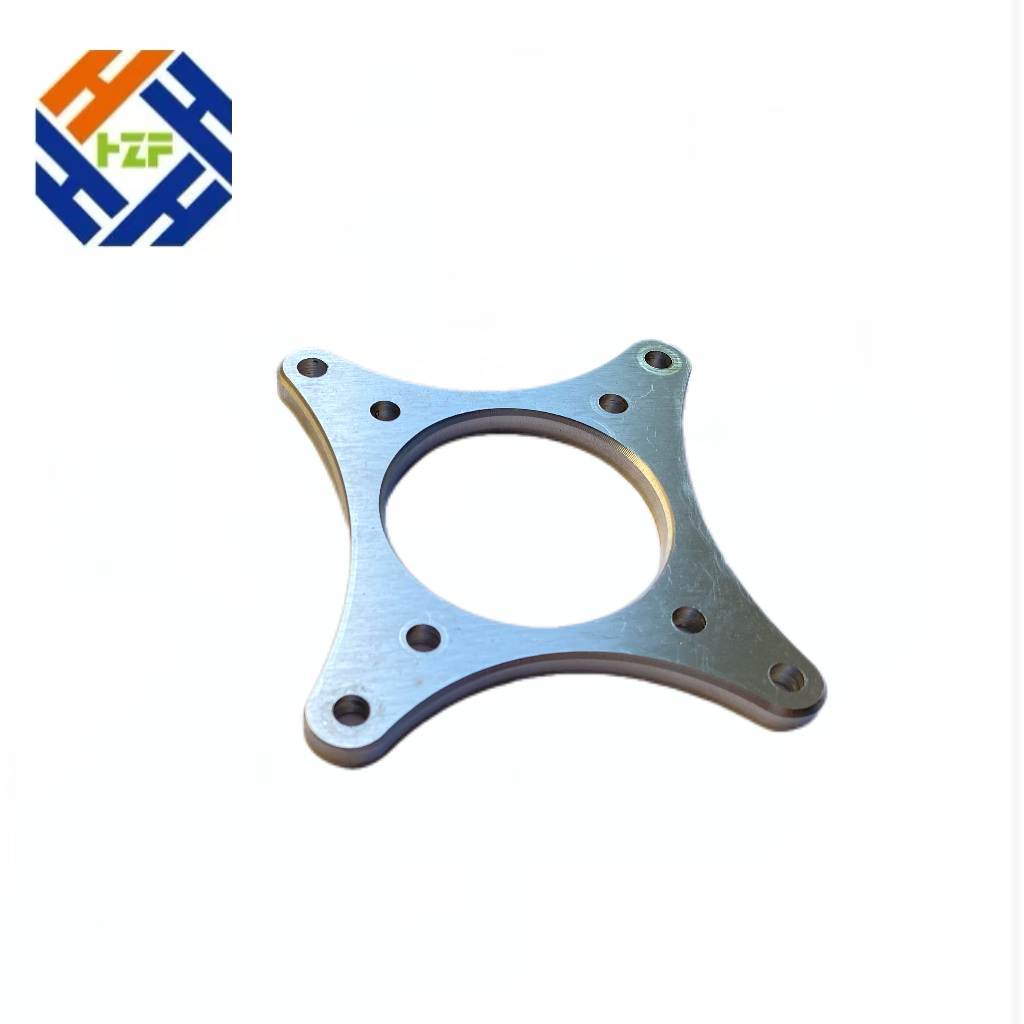
For example, if a mounting plate must fit an existing machine frame, changing the hole center distance or plate thickness without approval may prevent installation. A replacement part must match the original assembly requirements, not just its overall appearance.
Manufacturers cannot control semiconductor foundry capacity, but they can improve the way they manage component sourcing and production schedules.
Identify long-lead-time components early. Check which electronic and mechanical parts have limited supply before confirming the assembly schedule.
Prepare approved alternative components. Where possible, evaluate alternative electronic components in advance. Any electrical or safety-related substitution must be checked and approved by the engineering team.
Separate mechanical and electrical production schedules. Metal housings, mounting plates and brackets can sometimes be manufactured before electronic components arrive, provided the design has been confirmed.
Keep technical drawings updated. Use the latest revision of 2D drawings and 3D models to avoid producing parts based on outdated dimensions.
Coordinate delivery in batches. If the final assembly date changes, discuss whether finished metal parts should be stored, delivered in stages or shipped together with other components.
These measures do not remove the semiconductor shortage, but they can prevent one delayed component from creating unnecessary problems in every other production process.
HAOZHIFENGworks with cooperating manufacturing facilities to supply custom metal parts according to customer drawings and samples.
Our projects cover CNC milling, CNC turning, metal casting, drilling, tapping and surface finishing. Depending on the part design, production may start with a casting blank, a metal plate, a bar or another specified raw material.
Before production, we review the drawing to confirm material grade, machining dimensions, hole positions, thread specifications, tolerances and surface treatment requirements.
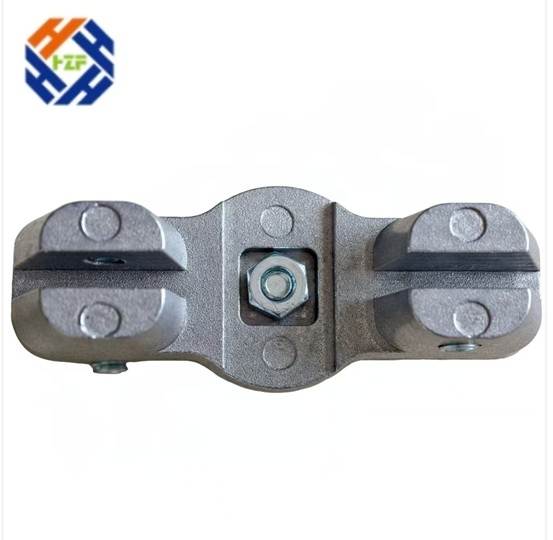
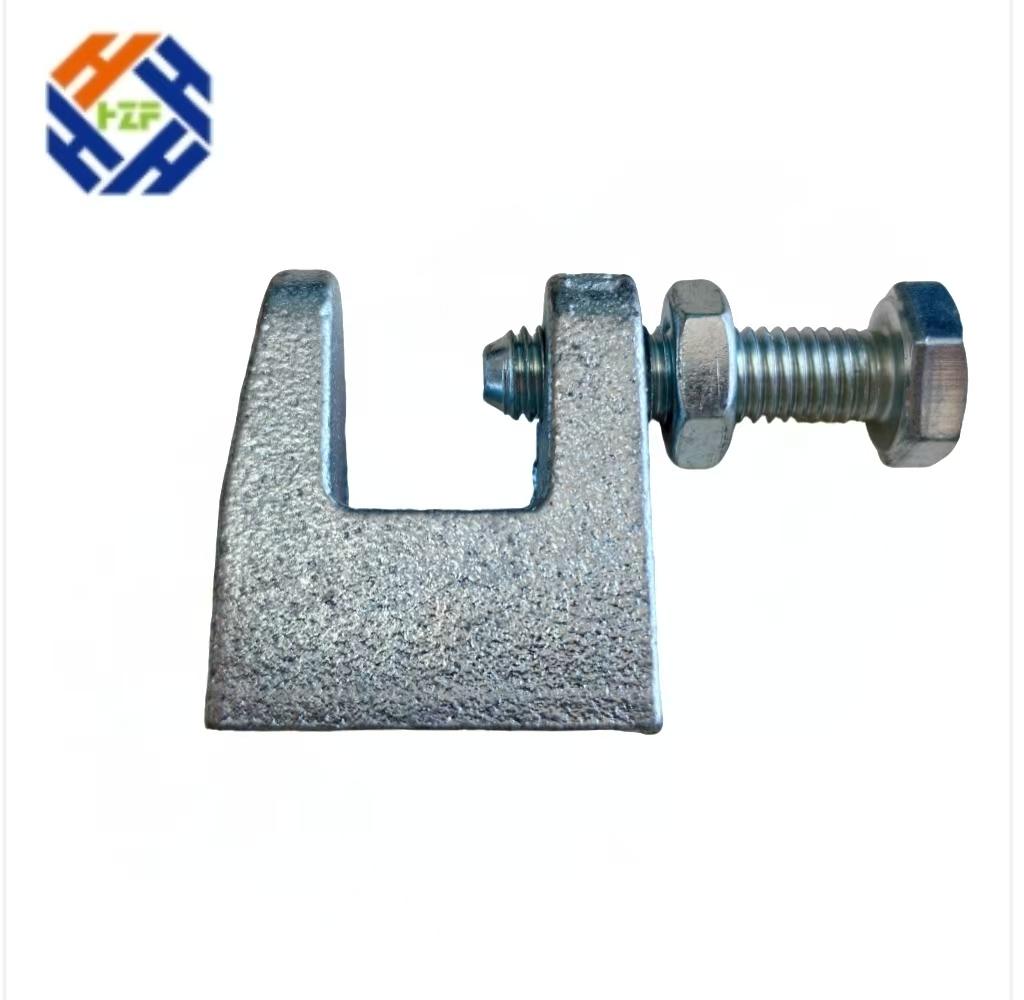
For example, a custom aluminum mounting block may require CNC milling on two reference surfaces, drilling and tapping for threaded connections, followed by dimensional inspection. A cast iron support bracket may require casting first, then machining of its mounting faces and fixing holes.
For overseas buyers who need to arrange alternative production resources, an existing sample, 2D drawing or 3D model can help us review the manufacturing requirements.
In a changing supply chain, having clear drawings and a production-ready alternative supplier can make it easier to keep mechanical component orders moving when other parts of the equipment are delayed.