On November 11, Reuters published a report stating that Ternium, one of Latin America’s largest steel manufacturers, is preparing to submit new anti‑dumping petitions to Mexican authorities. The petitions will focus on steel shipments originating from Asia.Ternium has already backed multiple prior anti‑dumping filings against imported steel products. Máximo Vedoya, the company’s CEO, stated that the firm is highly likely to launch more such cases. Ternium’s core objective is to raise the proportion of domestically made steel consumed within Mexico and cut the volume of steel it sources from foreign suppliers.This steel trade dispute sits alongside the ongoing trilateral review of the US‑Mexico‑Canada trade agreement. Steel market access has been brought into formal negotiation among the three nations as they renegotiate the terms governing cross‑border goods movement.
Ternium is constructing a new steel slab plant in Pesquería, near Monterrey. The facility is scheduled to commission production in February 2027.The plant will not run at full rated output immediately after startup. Every new steel grade produced at the site must go through customer qualification and third‑party certification workflows. These verification steps are mandatory before the material can be adopted for mass manufacturing by downstream factories.Ternium forecasts that measurable financial gains from this capital project will only emerge in 2028. Internal company calculations show that substituting imported steel slabs with locally cast slabs can lift profit margins by USD 50 to USD 100 per metric ton.This fixed asset investment illustrates a measurable shift across the steel sector. When producers evaluate where to build capacity and sell output, they now run calculations covering not only raw material and mill operating costs. They also incorporate scheduled import tariff rates, ocean and inland freight quotes, the existing output capacity of nearby domestic mills, and evolving trade rules that can block or tax inbound shipments.
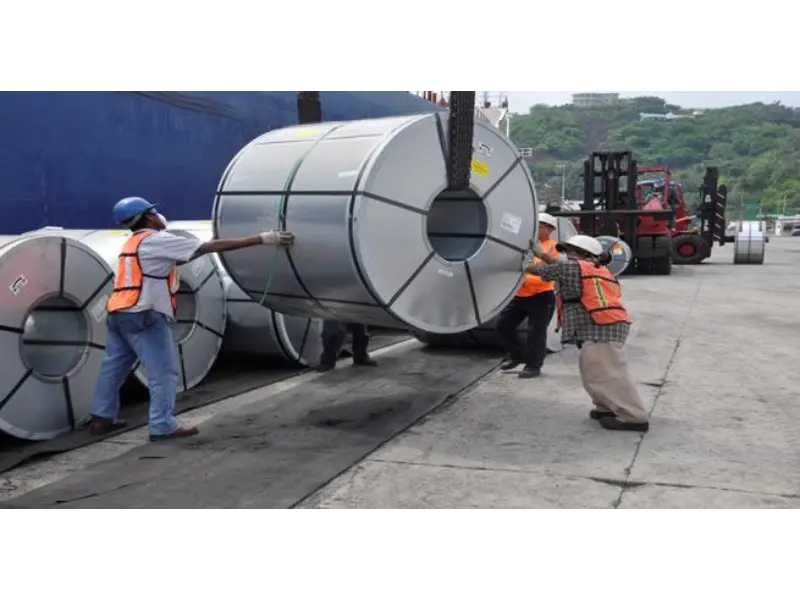
Shifts in steel trade rules affect parties beyond steel mills and steel trading firms. Any factory that uses steel as a feedstock faces cascading cost and sourcing changes.Component makers producing brackets, mounting plates, machine parts and structural hardware typically buy semi finished steel inputs including carbon steel sheet, plate and round bar. If Mexico opens additional anti‑dumping investigations and imposes corresponding duties, landed costs for the targeted imported steel categories will rise. This forces purchasing teams to re‑run side‑by‑side comparisons between Mexican domestic steel suppliers and overseas steel mills.Before switching steel sources, buyers must verify four concrete sets of information:
Material origin: Trace the actual melting and manufacturing location of the steel, rather than treating the port of shipment as the country of origin for customs classification. Transshipment can alter how customs authorities apply anti‑dumping duties.
Material specifications: Cross‑check steel grade, nominal thickness, mechanical test values and the governing industry standard against the component drawing. Different mills may interpret the same standard with different internal production tolerances.
Total landed cost: Sum base material price, applicable import duties, sea freight, customs brokerage fees and last‑mile local delivery. A lower ex‑works price can be offset by high tariff charges.
Production consistency: Request mill test reports from multiple batches and confirm the supplier can repeat the same metallurgy and dimensional tolerances across successive orders.
For custom machined or cast metal parts, a steel source change triggers downstream process adjustments. Fabricators must recalibrate cutting feeds and speeds, revise welding procedure specifications, adjust machining stock allowances, and update surface treatment parameters such as blasting or coating thickness. A cheaper raw steel price does not automatically reduce total part cost if these process changes generate scrap, rework or longer cycle times.
The Mexican anti dumping pipeline demonstrates that regional trade policy can directly alter the economics of cross‑border metal procurement.If a manufacturer relies exclusively on one steel supplier or one source country, any new tariff, updated import documentation rule or port clearance restriction will halt or raise the cost of material inflows.One actionable mitigation is to qualify multiple steel suppliers in advance. Qualification requires each alternative supplier to produce sample material that passes drawing review, material testing and process validation. All qualified sources must satisfy identical material standards and component specification requirements.Prior to confirming each order, procurement teams must collect and archive origin documentation and mill certificates. Customs officers may audit these documents during clearance; incomplete or mismatched paperwork can trigger duty reassessments, cargo holds or fines.Trade regulations may be revised, but downstream manufacturing acceptance criteria remain fixed. Finished parts must maintain controlled dimensions, repeatable material properties, stable processing yields and agreed delivery lead times regardless of which steel mill supplies the feedstock.
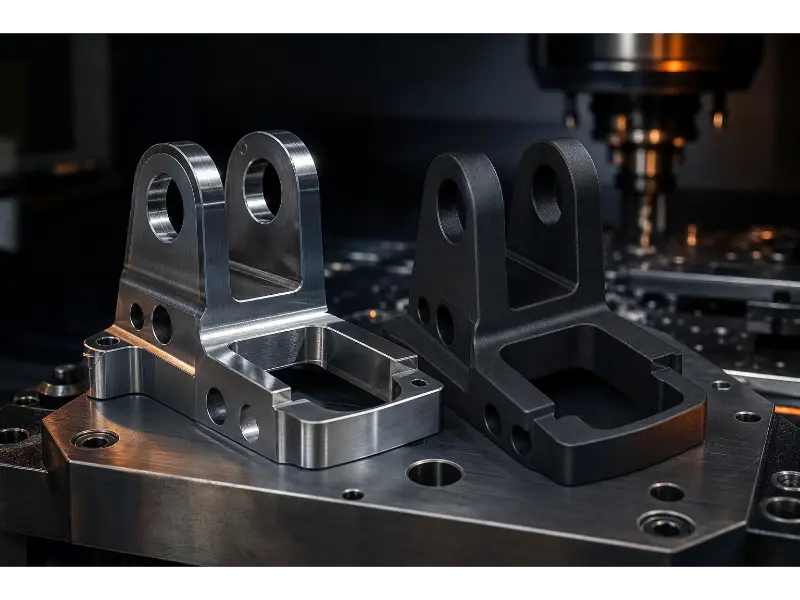
At HAOZHIFENG, all custom metal components are manufactured against customer drawings and defined project technical requirements. Material selection is completed before casting or machining begins, because material properties determine feasible processing routes and final part performance.
When cross‑border sourcing conditions shift, we guide buyers to evaluate more than the quoted steel price. Teams need to assess steel grade availability, minimum order lots, how the selected steel interacts with planned machining and welding steps, and confirmed shipment schedules.
A resilient supply chain is built by validating material data and locking in production requirements before production starts. This pre‑order validation reduces delays, non‑compliance risks and unexpected cost increases when trade policies change.