Over the past few years, artificial intelligence, large‑scale models and cloud computing have developed rapidly, with large‑scale data centers expanding continuously. As the number of GPU servers and high‑performance computing devices rises, AI data centers have an increasingly high demand for electricity.The U.S. Energy Information Administration projects that U.S. electricity consumption will keep hitting new highs in 2026 and 2027, and the expansion of AI and data centers is becoming a key driving factor. Meanwhile, some regions in the United States are already facing conflicts between the growing load from data centers and grid capacity.This means that competition in the next phase of the AI industry is no longer merely a contest among chips, algorithms and servers.
The competition is shifting from chips to power supply.One of the biggest differences between AI data centers and ordinary data centers is their demand for far‑more intensive computing power, which translates to higher and more sustained electricity requirements.In the past, people tended to focus more on optical fibers, networks and talent resources. Today, "where the power is available" has become a critical starting point for project planning.
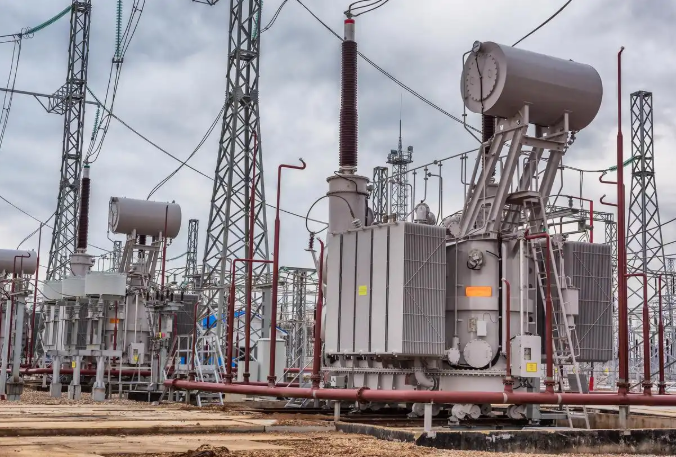
For large‑scale AI data centers, regions with ample power supply are gaining new competitive edges.Solutions including natural gas, nuclear power, hydropower, renewable energy, energy storage and microgrids are all being incorporated into the energy planning for large‑scale data centers.Meanwhile, power grids themselves are undergoing adjustments.
For instance, on April 1, 2026, the Southwest Power Pool (SPP) officially expanded its service territory to the Western Interconnection, becoming the first regional transmission organization serving across both the Eastern and Western Interconnections in the United States, covering 17 states. According to SPP, a broader scope of regional coordination helps boost reliability, optimize the utilization of generation resources and enhance transmission network planning.Such changes indicate that in response to the growing large‑scale power loads, the power industry is making systematic adjustments spanning power generation, power transmission and grid dispatching.
A data center is not merely placing servers inside a factory building.From power generation, power transformation and power transmission to power distribution, energy storage, cooling and equipment installation within data centers, every link requires substantial infrastructure support.Among them, many metallic components are inconspicuous yet perform highly practical functions.
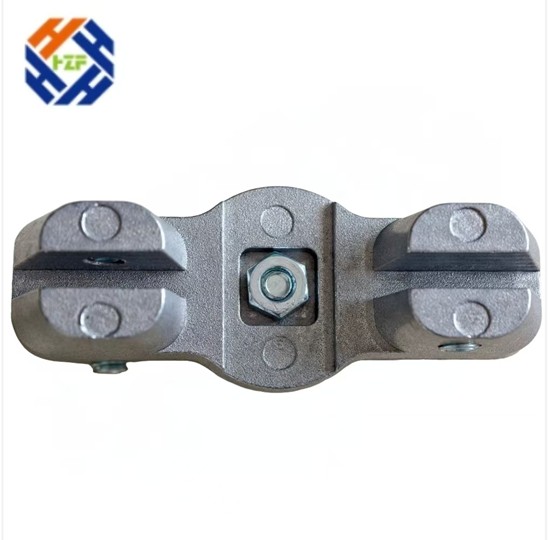
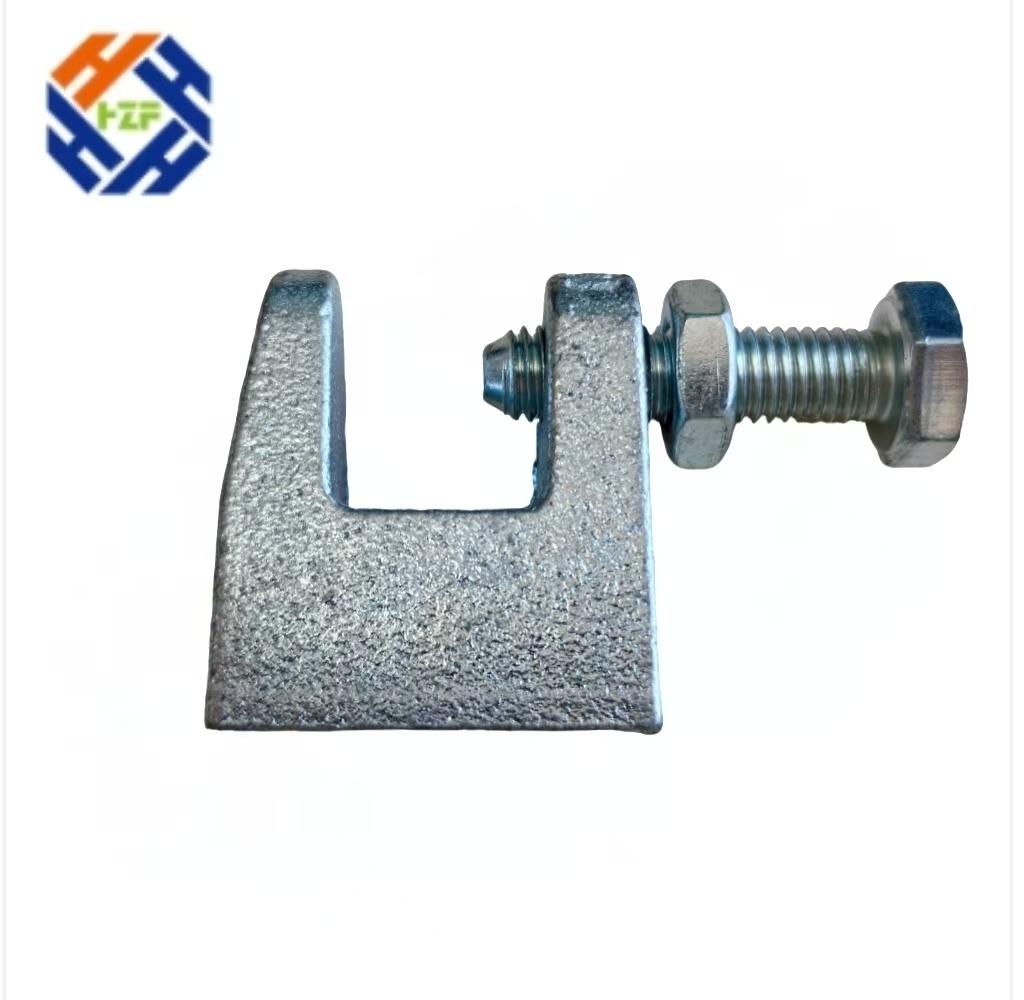
such As Cable clamps, pipe clamps, U‑shaped brackets, connectors, mounting brackets, metal structural parts, and various custom‑processed components.
These components need to be designed according to different equipment and installation environments, while meeting requirements for strength, dimensional accuracy, corrosion resistance and long‑term stability.
Especially in power equipment, energy facilities and industrial infrastructure, components are often subject to mechanical loads, vibration, temperature fluctuations and harsh environments over extended periods.
Therefore, with the continuous expansion of AI data centers and power infrastructure, demand for custom metal components among power equipment manufacturers is likely to grow further.
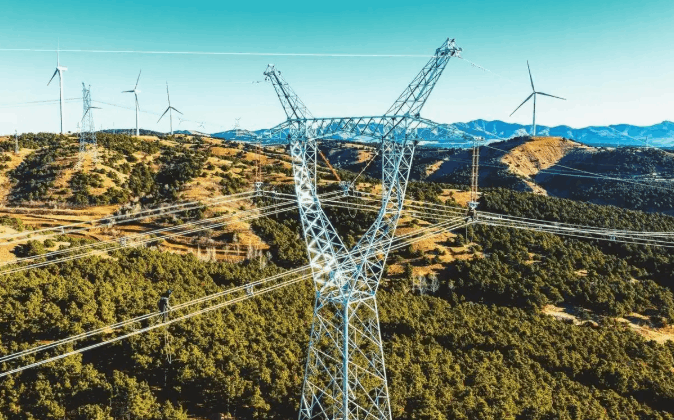
With the continuous development of AI, data centers, new energy and power infrastructure, HAOZHIFENG keeps a close eye on the demand for custom‑made metal components in the power and industrial sectors.HAOZHIFENG provides services including CNC precision machining, aluminum alloy casting and custom metal component processing. We customize product materials, dimensions, str uctures and surface treatments in accordance with customers’ drawings and practical application requirements.For components used in power equipment and infrastructure, we pay special attention to several practical‑use concerns:
dimensional stability, structural reliability, material suitability, whether surface treatment can adapt to service environments, and product consistency during mass production.These seemingly fundamental manufacturing requirements have a direct impact on the final installation and performance of the components.
AI is developing at a rapid pace, yet it does not operate in isolation from the real world. Chips require factories, servers need equipment, and data centers demand cooling. Ultimately, all these systems depend on stable electricity. AI can generate computing power through chips, but it is the underlying power infrastructure that keeps such computing power running continuously. For manufacturing enterprises, this also signifies that new opportunities are emerging. From power‑grid equipment to data centers, and from energy facilities to industrial projects, an increasing number of infrastructures require metal components that are more reliable, precise and durable. AI has transformed how computing works, while power infrastructure determines how far AI can go.