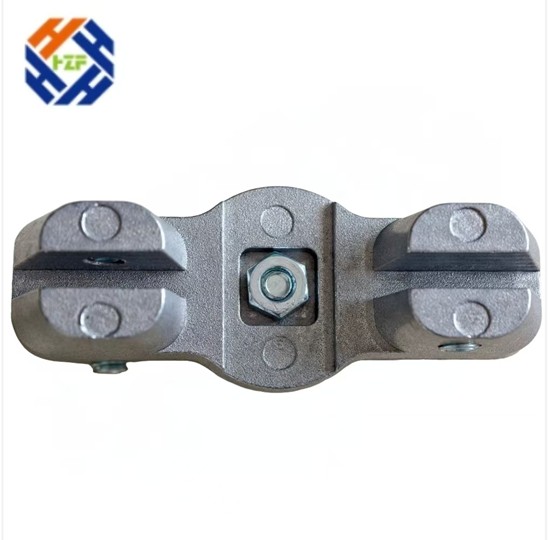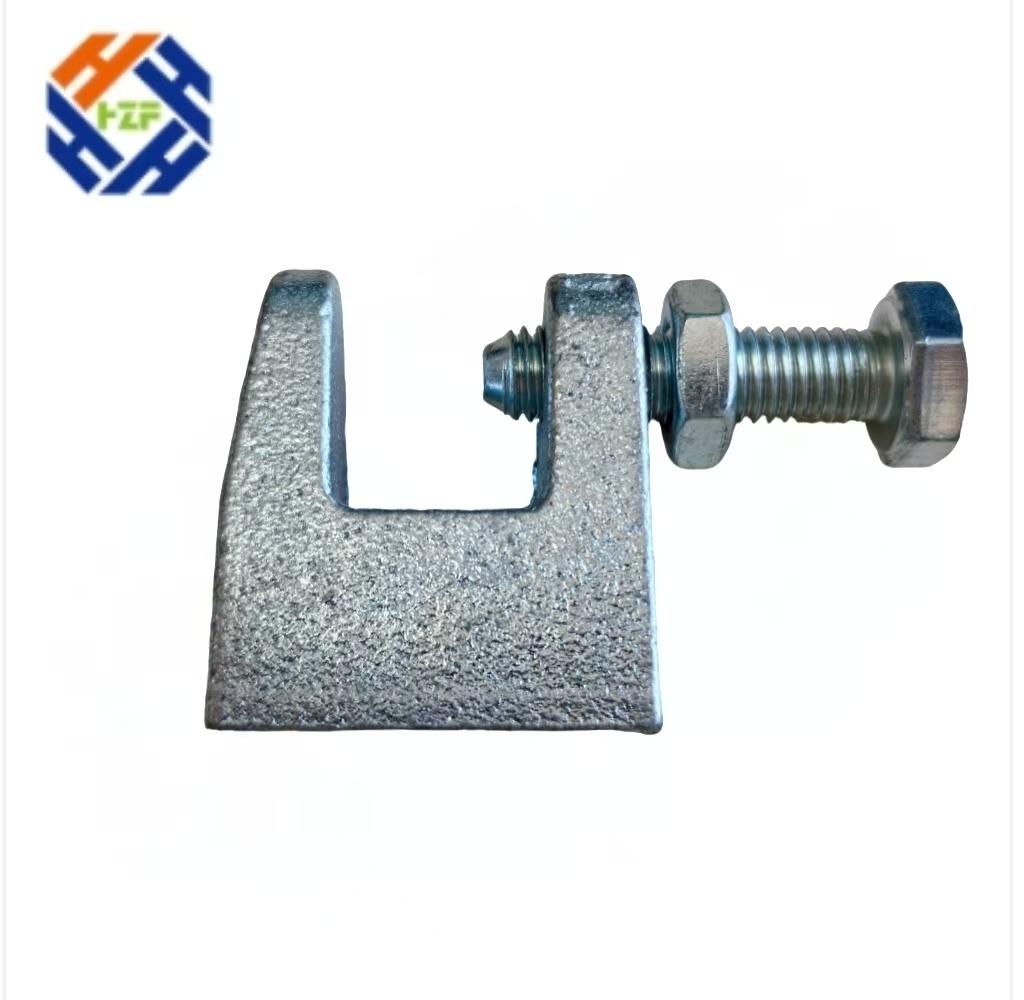

If you are looking for a reliable and fast CNC machining service provider, you have come to the right place! Qingdao Haozhifeng uses advanced CNC technology. With our experienced team of machinists, engineers and quality control experts, we ensure that your products are accurately completed and delivered on time.

Sand casting is widely used in various industries due to its adaptability and cost-effectiveness. Sand casting is a metal casting process that utilizes non-reusable sand molds to form metal products of different shapes. It is the simplest metal casting method. This metal casting method is suitable for all types of metals and can produce metal products ranging from ounces to tons.
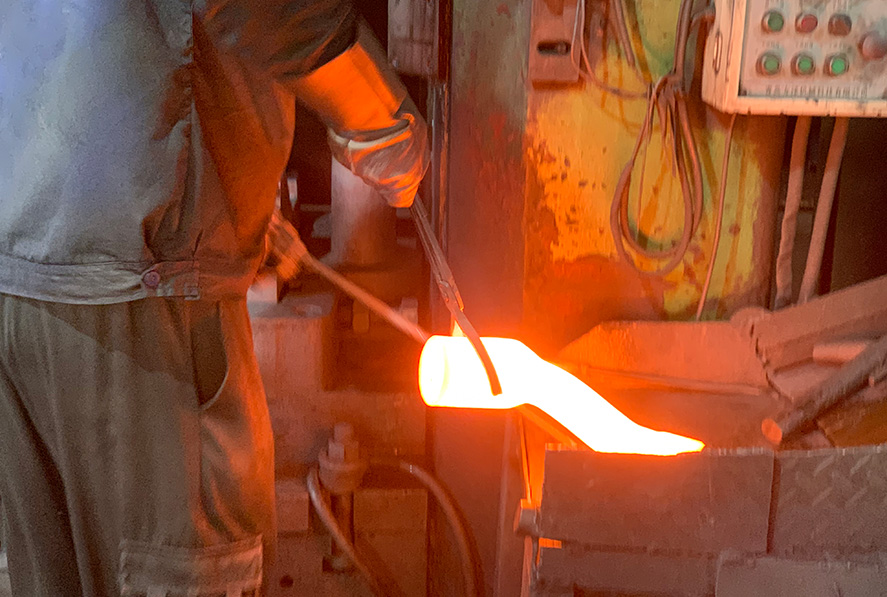
Forging is a time-tested and highly effective manufacturing method used to produce metal parts with superior strength, durability, and precision. The process involves shaping metal using localized compressive forces, often combined with heat, to form a desired shape. While there are various types of forging processes, all of them generally follow the same basic steps.
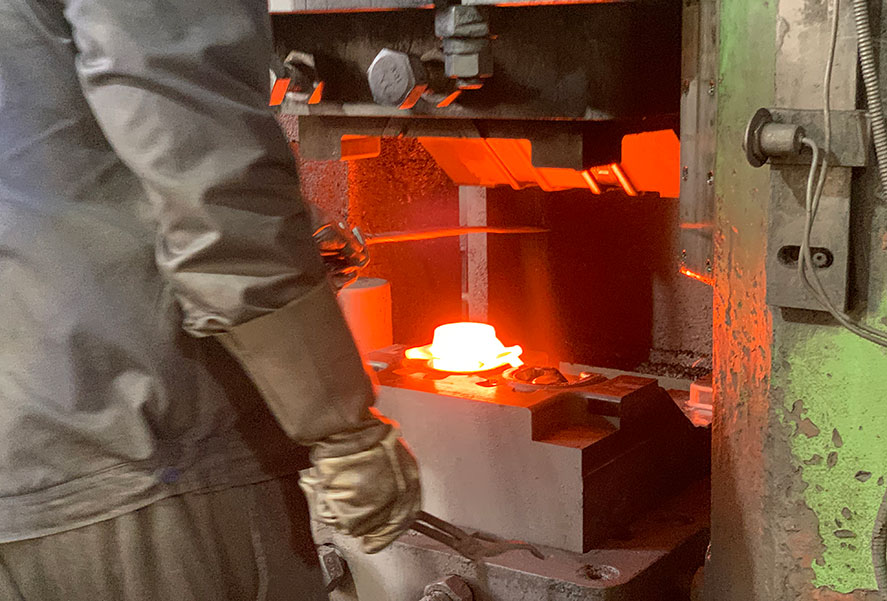
Forging is one of the most widely used manufacturing processes in metalworking, particularly for producing parts that require high strength, durability, and precision. Whether for aerospace components, automotive parts, or industrial equipment, forging allows manufacturers to create complex shapes and enhance the mechanical properties of metal..
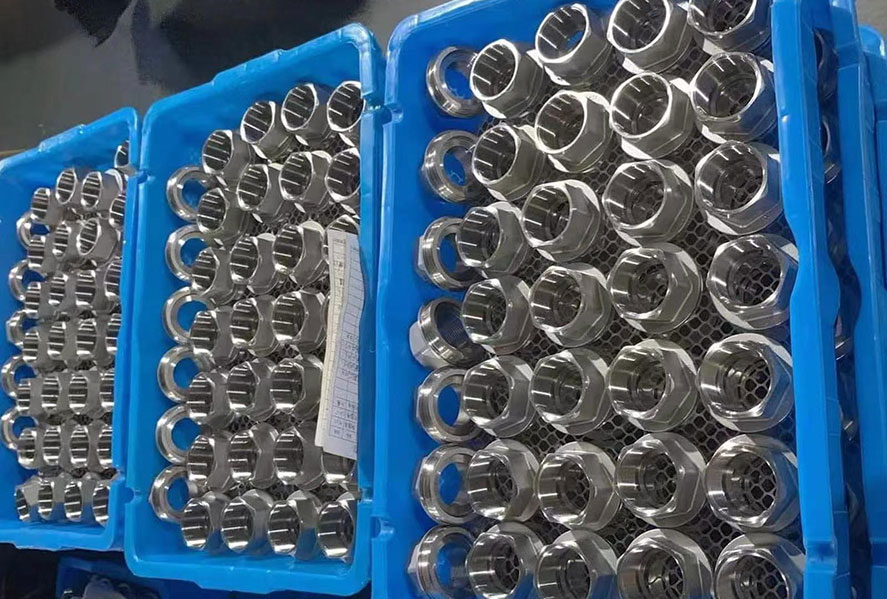
CNC machining stands out for its exceptional accuracy and ability to produce high-quality parts with intricate designs. The question of what is the precision of CNC is crucial for industries that require tight tolerances and complex geometries. As technology continues to evolve, the precision offered by CNC machining has become more refined, making it an ideal solution for a variety of applications.
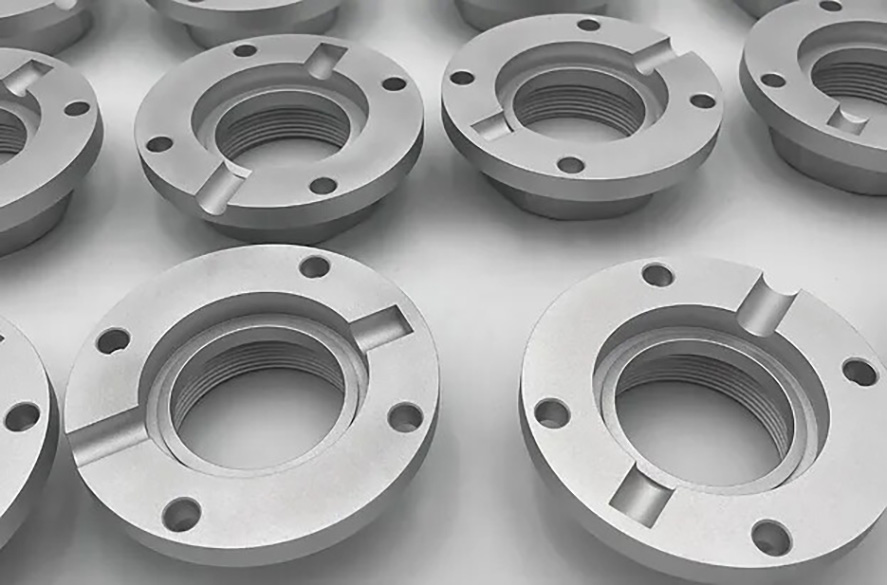
Among the many aluminum alloys available, Aluminum 6061-T6 stands out as one of the most versatile and easiest materials to machine. Its combination of excellent strength, durability, and machinability makes it the top choice for engineers and manufacturers looking for reliable performance across a wide range of applications.