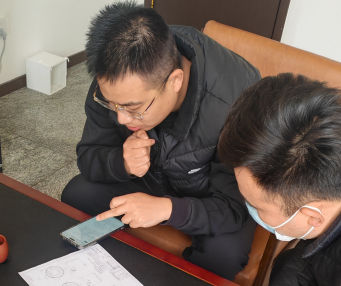
Recently, the technical team of Haizhifeng Machinery Co., Ltd. once again received high praise from customers due to their superb professional skills and considerate service philosophy.

Zinc alloy is an alloy material based on zinc and formed by adding elements such as aluminum, copper and magnesium, which has demonstrated strong competitiveness in the field of hardware manufacturing.

In the industrial manufacturing sector, materials are the core engine driving technological innovation. When lightweighting, high strength, and corrosion resistance become the core demands of hardware manufacturing, aluminum alloys stand out due to their outstanding performance and become the key to industry transformation and upgrading.

To celebrate the Lantern Festival, a traditional Chinese holiday marking the end of the Lunar New Year festivities, Haozhifeng, a leading manufacturer of custom hardware, CNC stamping, and die-casting components, hosted a special lunch for all employees on the 15th day of the first lunar month.

In the spirit of new beginnings and prosperity, Haozhifeng has commenced operations following the Spring Festival holiday. The hum of machinery now fill our facility once again, signaling a strong start to the Year of the horse.

On the 23rd day of the 12th lunar month, Haozhifeng embraced the traditional Northern Chinese "Little New Year" by organizing a company-wide dumpling-making and sharing event.