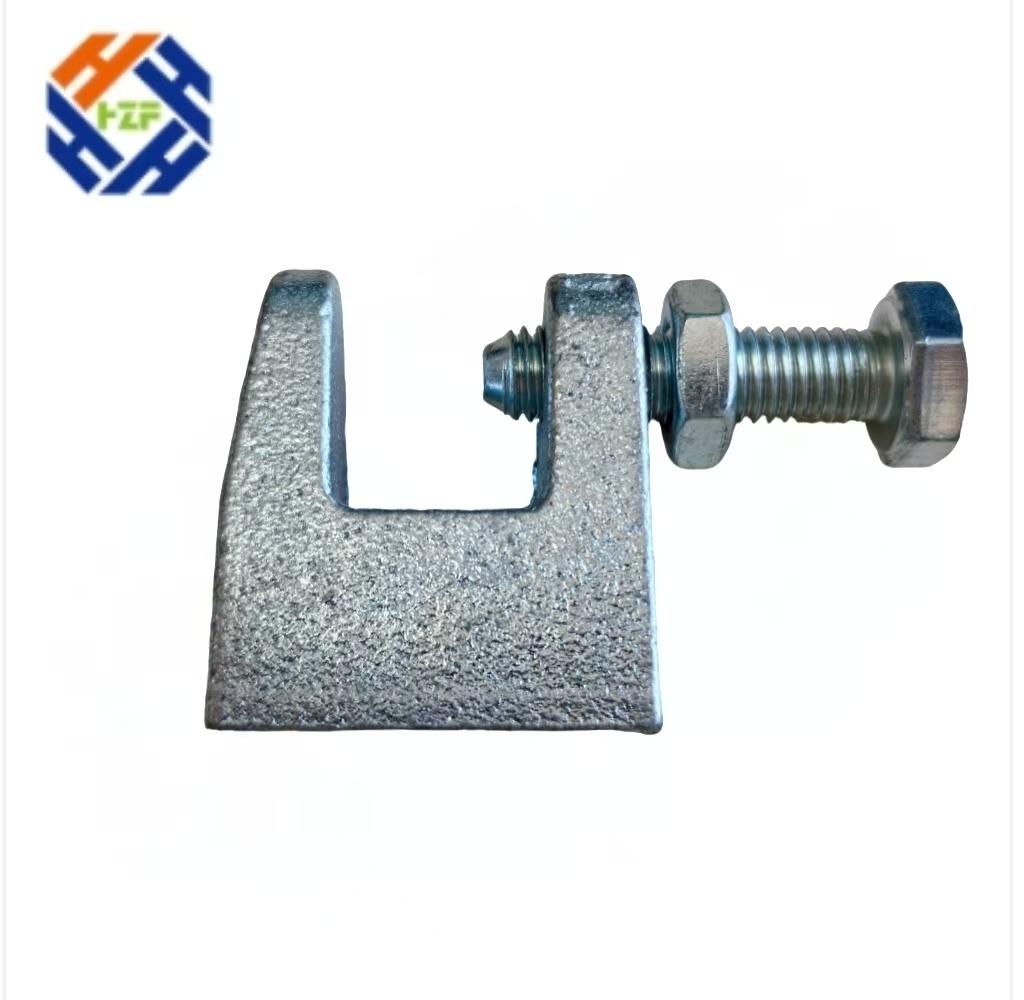
Aluminum features light weight, high strength and corrosion resistance, and also boasts high recycling value. Unlike many other materials, aluminum can re enter production processes after being recycled. Therefore, it is playing an increasingly vital role in today’s manufacturing sector, which emphasizes energy conservation, carbon reduction and resource recycling. Statistics indicate that secondary aluminum production consumes approximately 5% of the energy required for primary aluminum production, which is one major reason why aluminum recycling draws continuous attention from the manufacturing industry.For HAOZHIFENG, aluminum is also an important material for customized metal components and casting solutions. The company focuses on providing practical aluminum manufacturing solutions while helping customers balance product performance, production efficiency and material utilization.
Reducing vehicle weight while meeting structural and safety requirements cuts energy consumption during operation. Aluminum alloys feature a favorable strength to weight ratio, so they are widely used in vehicle body structures, supports and various functional components. Especially in the new energy vehicle sector, controlling the weight of parts can not only reduce the overall vehicle load, but also help improve energy use efficiency and driving range performance.
The construction industry attaches greater importance to the long term stability of aluminum materials. Aluminum boasts good corrosion resistance and is barely affected by humid environments. Meanwhile, it is lightweight and has a long service life, which makes it commonly adopted in building components such as doors and windows, curtain walls and structural connectors. Even when buildings are demolished or renovated, original aluminum materials still hold high reuse value. They can re enter production cycles through recycling, smelting and reprocessing, extending the material utilization cycle while cutting construction waste and resource depletion.
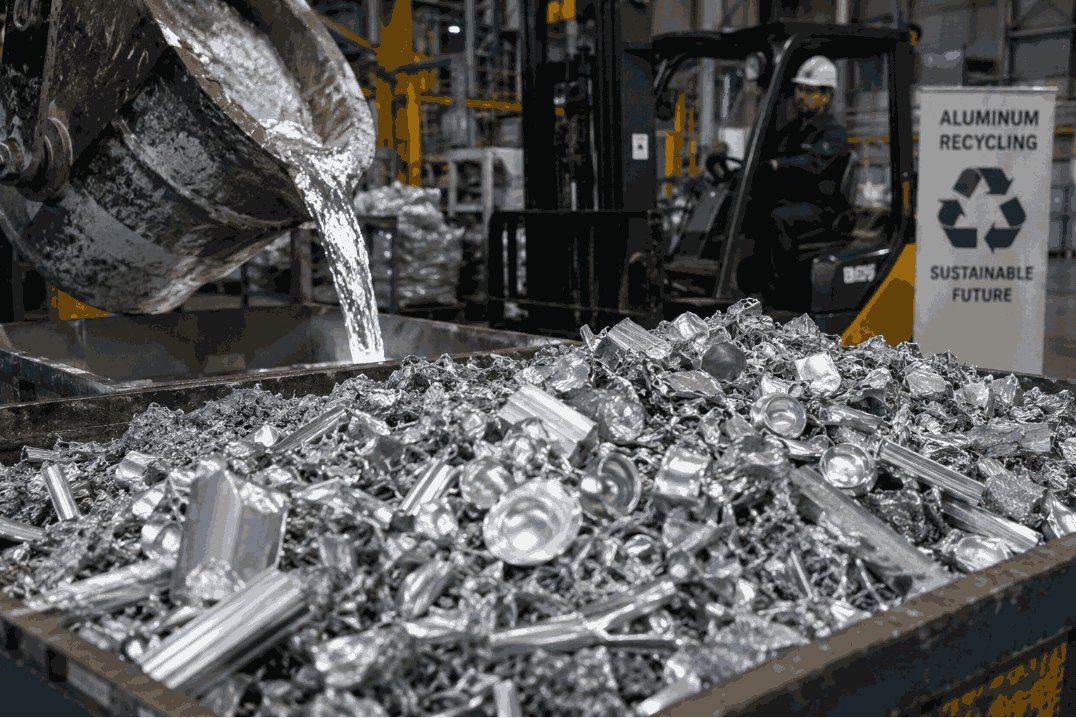
Aluminum cans are lightweight and hold substantial material value. After recycling, they can be remade into new aluminum products. This cycle can keep going with a well established recycling system, so aluminum cans are widely regarded as a typical closed loop recycling product.
A stable system for scrap aluminum collection and reuse can lower reliance on primary aluminum resources and improve material utilization. As sorting, smelting and secondary processing technologies keep advancing, more aluminum scrap can be fed back into manufacturing workflows. For foundries, this means they can make more rational use of secondary aluminum resources while satisfying product performance requirements in the future.
All in all,Spanning automobiles, construction and industrial components, aluminum is evolving from a conventional lightweight metal into a key material within circular manufacturing systems. For the aluminum casting industry in the future, how to make better use of recycled aluminum, control material composition and guarantee casting quality will remain issues that manufacturers need to keep focusing on.