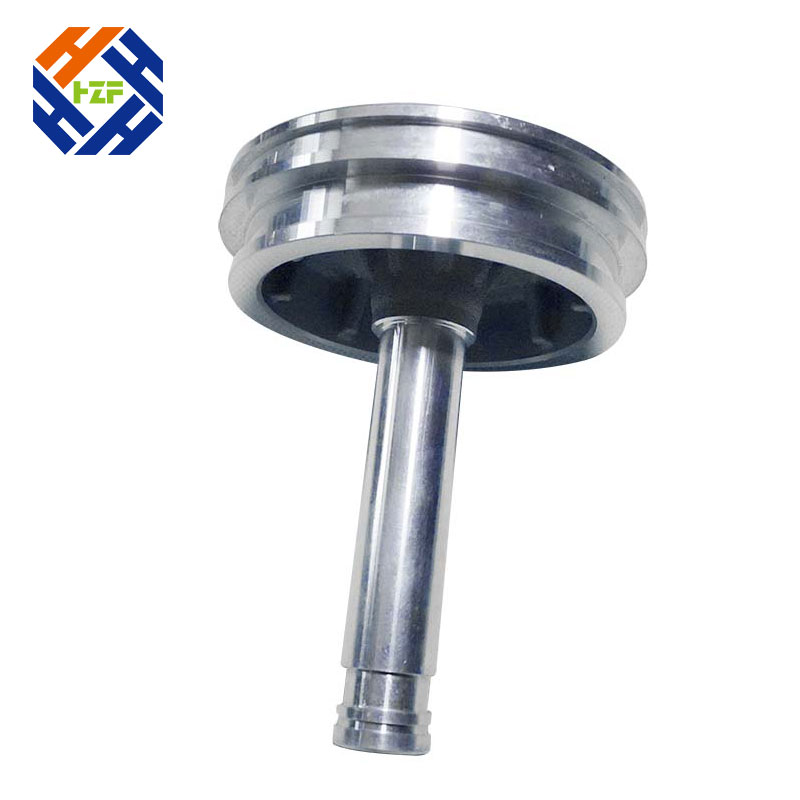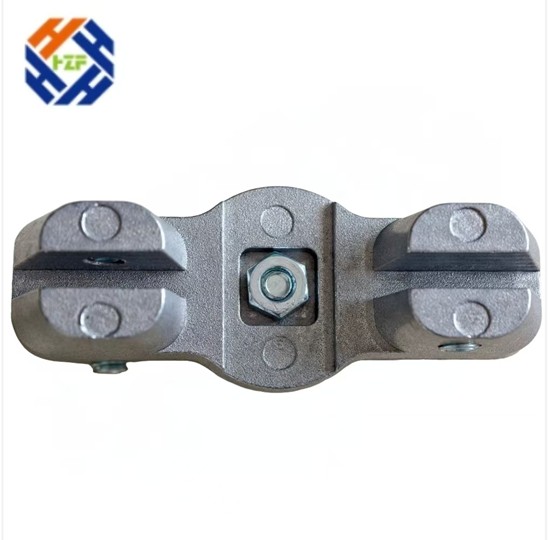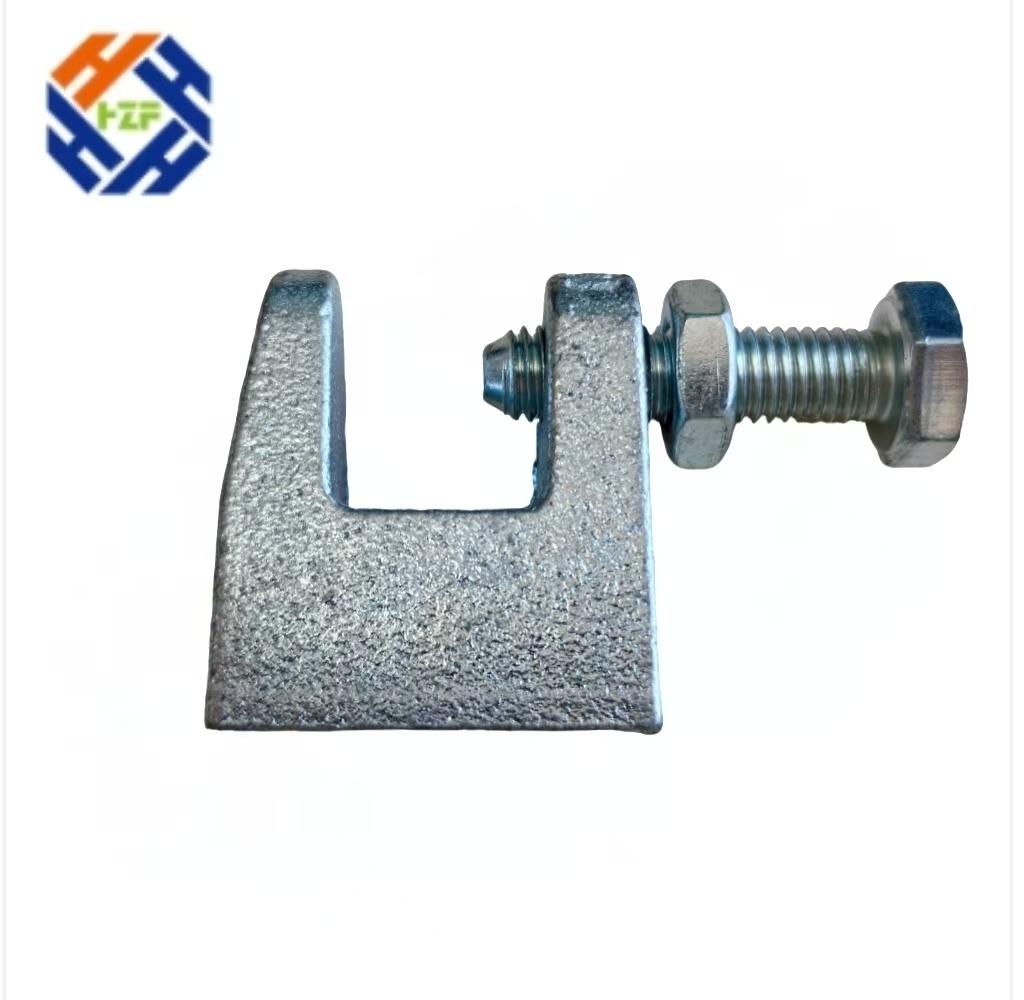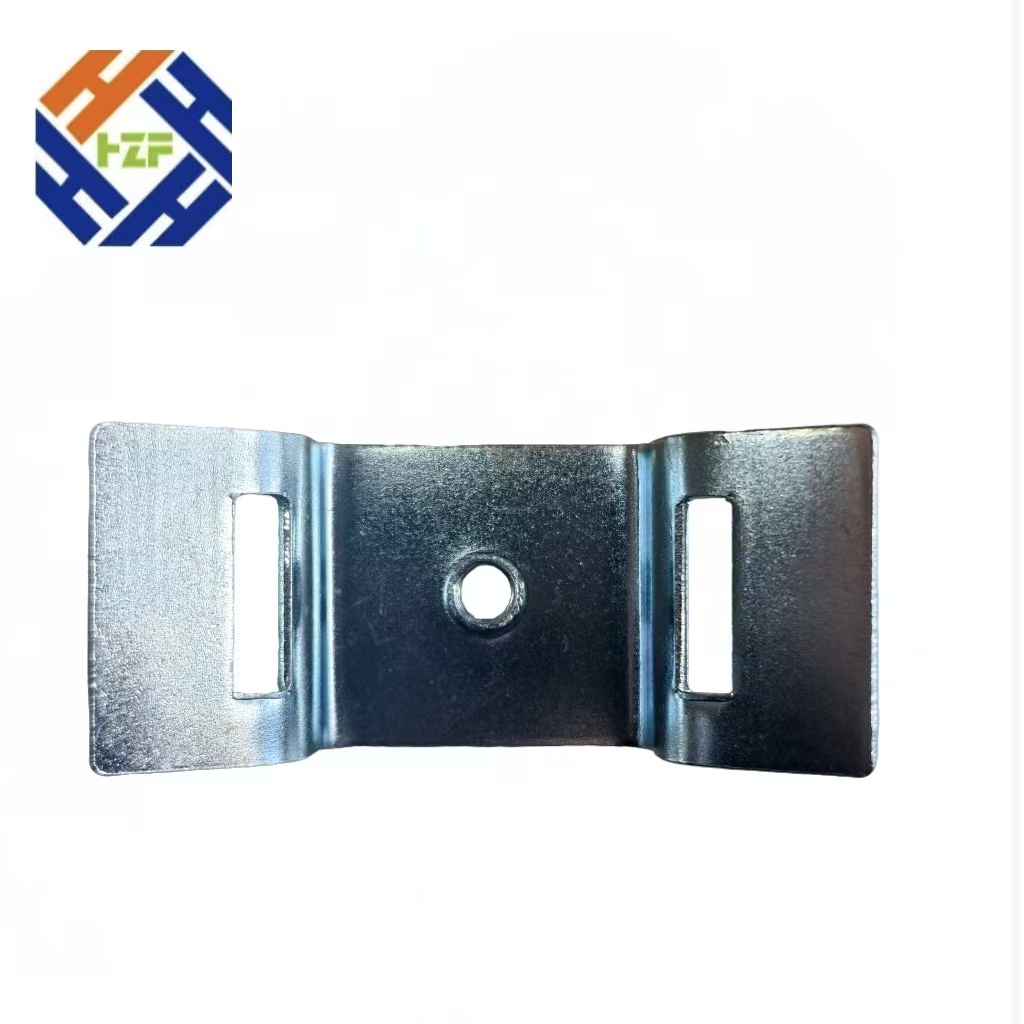
When I first started sourcing industrial components, I underestimated how much the choice of Casting Parts would affect my final product quality, delivery reliability, and even my brand reputation. Over time, I found myself returning again and again to partners like Haozhifeng, because instead of simply selling metal pieces, they helped me rethink how engineered Casting Parts should support my projects from design to delivery.
If you work with metal components as often as I do, you probably recognize the same headaches that used to follow every new batch of Casting Parts I ordered. The drawings looked fine, the quote seemed reasonable, but something always went wrong between the RFQ stage and the final assembly line.
For a long time I treated these issues as “normal” for Casting Parts. Only later did I realize that with the right supplier, many of these pain points could be removed at the design stage instead of being patched on the shop floor.
When I evaluate a new supplier for Casting Parts, I no longer focus only on price per piece. I ask myself what “reliable” really means for my application, from the first prototype to stable mass production. In my experience, reliable parts share a few common characteristics.
This is where a supplier like Haozhifeng becomes more than just a factory name for me. Instead of pushing a standard catalog, they combine multiple casting technologies and post-processing steps to match the design and performance level I actually need for each project. :contentReference[oaicite:0]{index=0}
Different projects push me toward different processes. Rather than forcing every part into the same method, I look at how each casting technology can support the geometry, load conditions, and annual volume. A versatile partner for Casting Parts should be able to recommend and integrate several options.
A supplier like Haozhifeng that can combine die casting, sand casting, and precision investment casting under one roof simplifies my sourcing. I do not have to manage multiple factories for a single assembly; instead, I can integrate all related Casting Parts in one coordinated project, from tooling design to final machining and surface treatment. :contentReference[oaicite:3]{index=3}
The unit price on a quote sheet is only one small part of my real cost. Every time I approve a design for new Casting Parts, I try to calculate total cost of ownership over the lifetime of the project, not just the first shipment.
| Decision Point | Risk If I Choose Poorly | How A Supplier Like Haozhifeng Helps Me |
|---|---|---|
| Choice of casting process | Over-engineered process with high tooling cost, or under-engineered with high scrap and rework. | They propose a process mix (die, sand, investment) based on part geometry, annual volume, and surface requirements so I avoid overpaying or under-specifying. |
| Tooling and mold design | Frequent tooling changes, dimensional drift, and unstable quality from batch to batch. | They optimize gating, feeding, and cooling designs upfront, reducing defects and stabilizing tolerances across full production runs. |
| Material selection | Unexpected failures during stress, fatigue, or corrosion tests, leading to costly redesigns. | They work with aluminum, ductile iron, carbon steel, stainless steel and other alloys, and align material choice with my operating environment and standards. :contentReference[oaicite:4]{index=4} |
| Post-processing steps | Multiple subcontractors, inconsistent finishing, and longer lead times. | They integrate machining, drilling, tapping and surface treatments, so I receive near-ready or fully finished Casting Parts that go straight to assembly. |
| Quality control | Hidden defects discovered only after shipment or during customer use. | They apply inspections and testing tailored to the criticality of each part, from dimensional checks to performance validation under real-world conditions. :contentReference[oaicite:5]{index=5} |
Once I started viewing each decision this way, I realized why a low headline price sometimes ended up being the most expensive path. A professional manufacturer of Casting Parts saves me money precisely because they reduce scrap, shorten debugging phases, and prevent failures in the field.
I see Casting Parts quietly supporting almost every industry I work with. Instead of thinking of them as anonymous metal blocks, I see them as the skeleton of modern infrastructure and equipment.
In each of these sectors, high-quality Casting Parts quietly protect my brand: if they perform well, nobody notices; if they fail, everyone does.
For me, the most valuable suppliers are the ones who behave like technical partners instead of just quoting a price list. Haozhifeng fits into that category. They combine several capabilities that matter to me when I entrust them with critical Casting Parts.
The result is simple: when I approve a drawing for new Casting Parts, I can focus my energy on system-level design and trust that the foundry work will support, not undermine, my schedule and performance goals.
If you are currently comparing suppliers or struggling with unstable batches of Casting Parts, I genuinely believe it is worth rethinking the way you collaborate with your foundry. In my own projects, involving Haozhifeng early in the design stage has repeatedly saved me from costly redesigns, emergency shipments, and late quality surprises.
You do not have to solve these challenges alone. Share your drawings, annual volumes, and key performance requirements, and let a specialist team show you how the right process, material choice, and quality plan can transform your Casting Parts from a risk point into a competitive advantage.
If you are ready to reduce defects, stabilize lead times, and improve the long-term reliability of your assemblies, feel free to contact us, send an inquiry, or reach out with your RFQ today. I am always open to discussing real projects, real deadlines, and real cost targets, and turning them into casting solutions that actually work for you.