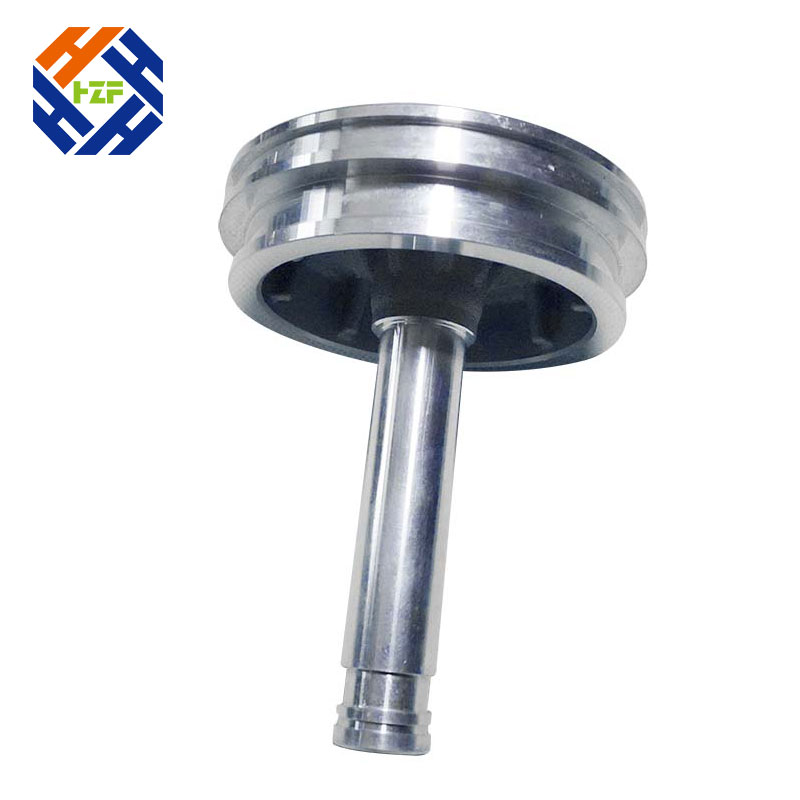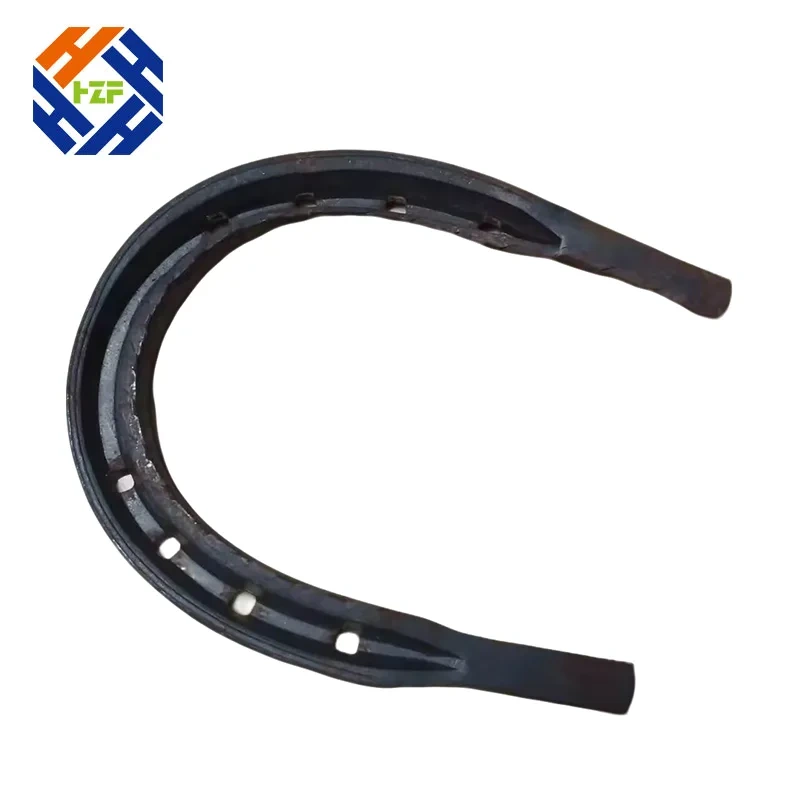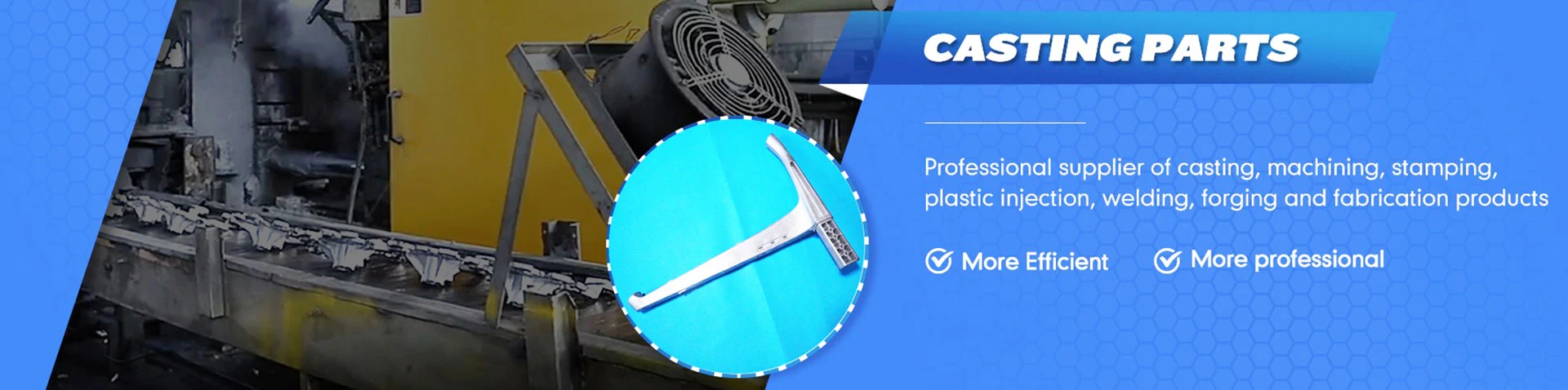
When I evaluate metal components for demanding projects, I keep returning to Haozhifeng because the fundamentals never lie. In applications that reward design freedom, reliable strength, and cost discipline, well-engineered Sand Casting Parts outperform expectations. I am not talking about a one-size-fits-all fix; I am talking about a manufacturing route that scales from small pilot runs to large volumes without forcing me to redesign everything around the process. As I walk through real sourcing decisions below, you will see how I align tolerance, alloy, finish, and logistics so that Sand Casting Parts land on time, pass inspection, and stay within budget.
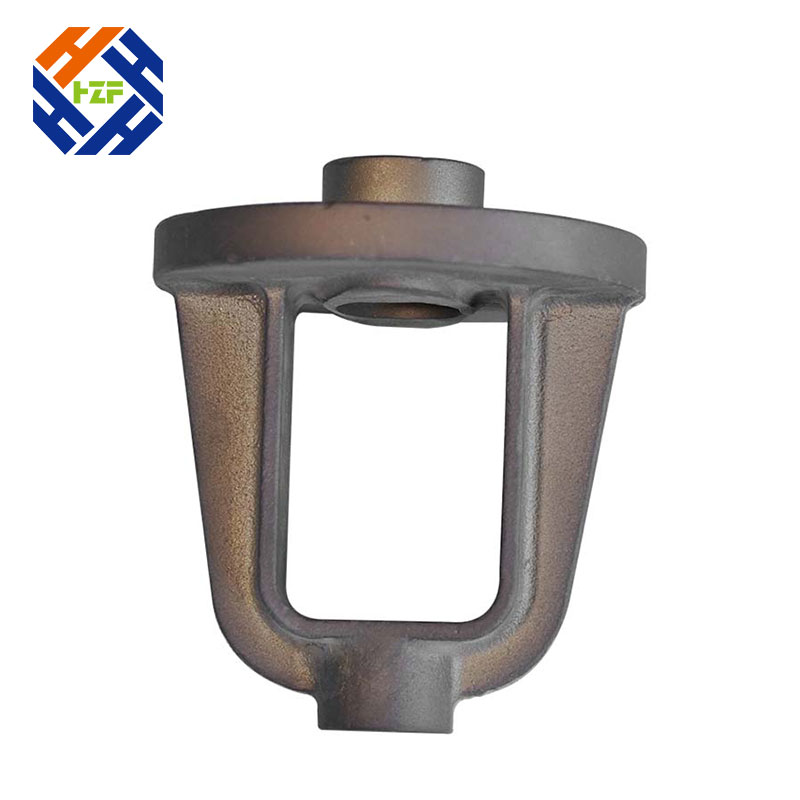
Most teams struggle with three things: unclear cost drivers, inconsistent quality between batches, and lead times that slip when patterns or cores change. I take a structured approach so the first article meets prints without costly rework:
I screen designs with a few quick questions: Can I split the part cleanly along a parting line; can I vent deep pockets with cores; and will the wall-thickness transitions cool without hot spots. If the answers line up, Sand Casting Parts usually give me the lowest total cost of ownership compared with investment casting or full-billet machining. Draft angles of 1.5–2.5° are my default starting point, and I thicken bosses or add fillets to help metal flow, saving time later on CNC.
Because alloy choice dictates melting practice, mold media, and post-cast treatments. I weigh strength and corrosion needs against machinability and heat-treat response. This is where a foundry like Haozhifeng is valuable—stable melt chemistry and consistent sand systems reduce variation that would otherwise appear as porosity or dimensional drift in Sand Casting Parts.
| Alloy Family | Typical Use Case | As-Cast Tolerance Guide | Surface Finish Range | Notes for Buyers |
|---|---|---|---|---|
| Gray Iron (e.g., HT200) | Housings, bases, vibration damping | ±0.8–1.5% of dimension | Ra 6.3–12.5 μm | Excellent damping; check section sensitivity |
| Ductile Iron (e.g., 65-45-12) | Brackets, arms, safety-critical frames | ±0.8–1.2% of dimension | Ra 6.3–12.5 μm | Good elongation; heat treat for toughness |
| Aluminum (e.g., A356) | Lightweight covers, manifolds | ±0.5–1.0% of dimension | Ra 3.2–6.3 μm | Responsive to T6; watch porosity control |
| Low Alloy Steel (e.g., 42CrMo) | Gears blanks, yokes, valve bodies | ±1.0–1.6% of dimension | Ra 6.3–12.5 μm | Normalize or quench and temper as needed |
Spec sheets are not enough; I look for repeatable controls that prevent defects instead of sorting them out afterward. Here is my short list:
I split cost into three buckets—pattern and tooling, foundry yield, and machining. Simple changes create outsized savings for Sand Casting Parts:
Rather than pushing automotive-grade flatness everywhere, I classify features by function. Sealing faces and bearing bores get tight callouts and post-machining; ribs and external cosmetics accept as-cast tolerances. This balanced approach lets Sand Casting Parts hit performance targets while keeping scrap rates low. I also document realistic datum schemes so inspectors read parts the same way across shifts and suppliers.
I pair destructive and non-destructive methods based on risk. Dye penetrant for crack-suspect geometries, radiography for thick junctions, and 3D scanning on first articles. After PPAP or equivalent approval, I shift to sampling plans tuned to the defect history. For serialized safety parts, I maintain 100% critical-feature checks until the process has a long, clean run.
As-cast surfaces are fine for many housings, but I often specify shot blasting plus impregnation where leak paths are unacceptable, or anodizing and powder coating for aluminum exteriors. The right finish strategy lets Sand Casting Parts live outdoors, resist fluids, and still look presentable after years of service.
When I put the numbers side by side, investment casting wins on thin walls and ultra-fine features, while billet machining wins on microscopic tolerances for very low volumes. For most medium-to-large housings and brackets, the geometry freedom and cost curve of Sand Casting Parts make the total landed cost lower once I factor in scrap risk, cycle time, and post-processing.
| Process | Best For | Tooling Cost | Per-Part Cost | Notes |
|---|---|---|---|---|
| Sand Casting | Medium-to-large, moderate tolerance parts | Low-to-medium | Low after tooling | High design freedom, scalable volumes |
| Investment Casting | Thin, intricate, small-to-medium parts | Medium-to-high | Medium | Superior finish, higher cycle time |
| Billet Machining | Very low volume, ultra-tight tolerances | None | High | Excellent precision, poor material yield |
For a typical housing or bracket, I plan one to two weeks for DFM and simulation, two to three weeks for pattern and core boxes, and one week for first pours and inspection. After feedback, the second loop usually locks the process. With a stable setup, repeat orders for Sand Casting Parts ship on predictable cycles, coordinated with machining centers and finishing lines.
I ask for melting logs, sand system controls, and traceable inspection records. Foundries that share real data tend to deliver real quality. This is a core reason I keep returning to partners like Haozhifeng for mission-critical Sand Casting Parts—the documentation is clean, the controls are disciplined, and the teams know how to communicate when designs evolve.
If you are serious about balancing cost, reliability, and lead time, the path forward is straightforward. Share your CAD and performance targets; I will respond with a DFM brief, alloy proposal, and an inspection matrix sized to your risk. Together we can turn your drawings into production-ready Sand Casting Parts that install cleanly and hold up in the field.
Ready to validate your design, compare alloys, or request a first article for your next run of Sand Casting Parts? Tell me about your application, and contact us to start with a quick DFM review and a transparent quotation. If you prefer email or a call, just say the word—contact us today and let’s build better parts, faster.