1.Sand Casting
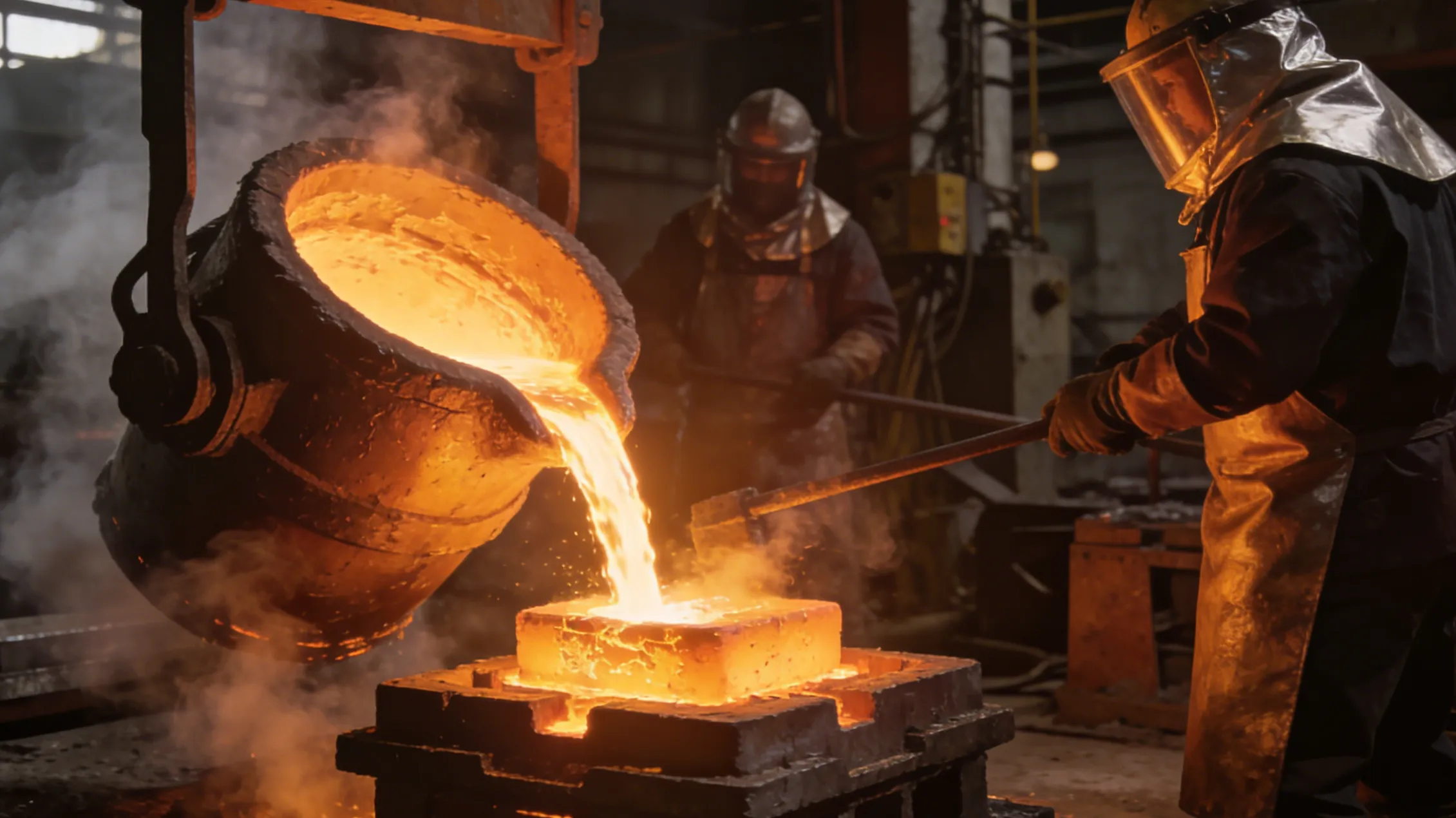
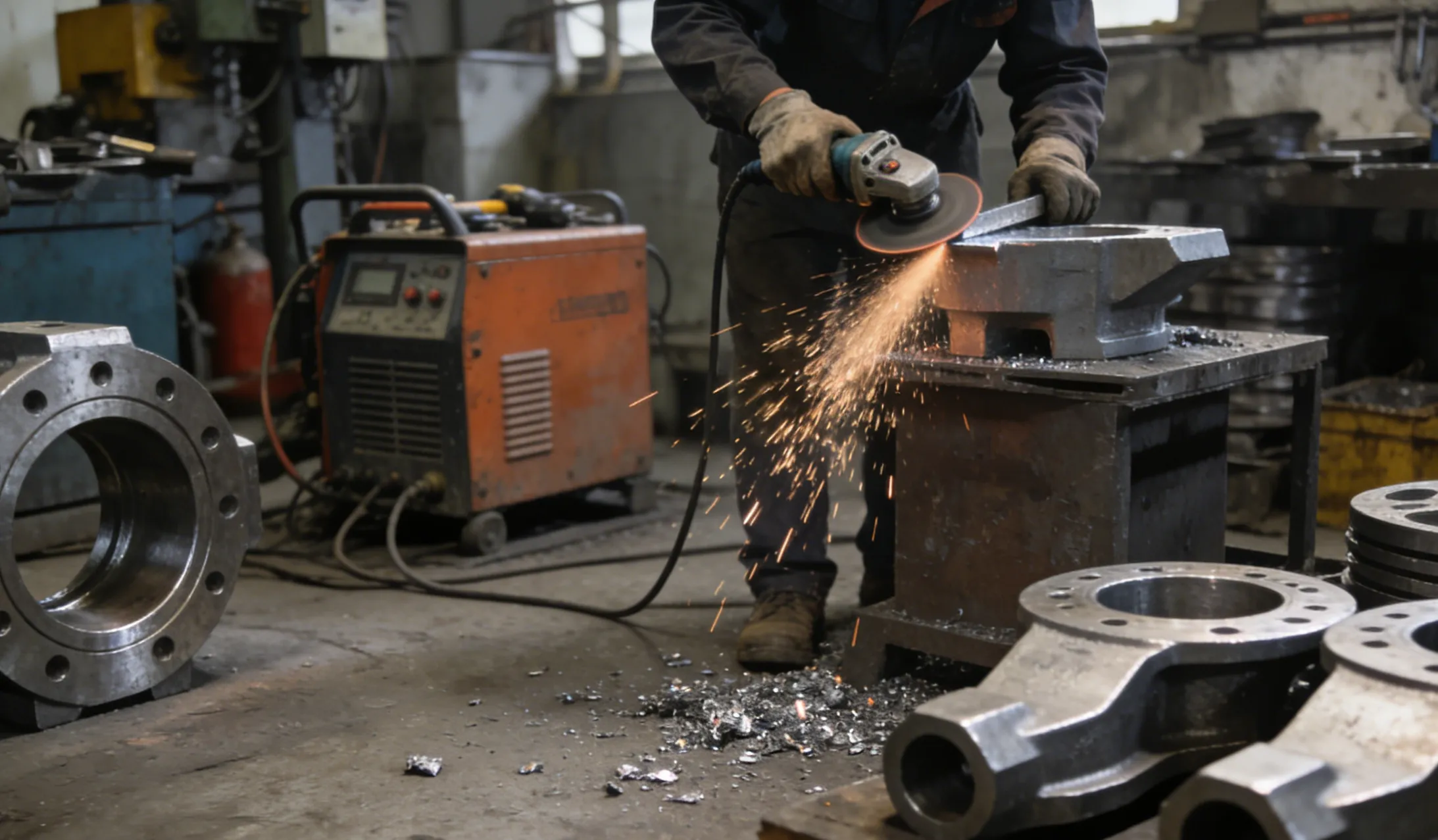
Sand casting is the most widely used casting process in the foundry industry today. It applies to various materials, including both ferrous and non-ferrous alloys. It can produce castings ranging from tens of grams to tens of tons or even larger. The disadvantage of sand casting is that it can only produce castings with relatively simple structures. It also has relatively poor performance in terms of surface finish. The biggest advantage of sand casting is its low production cost. In terms of molding, both manual molding and machine molding are available. Manual molding works for single-piece, small-batch and large castings with complex shapes that are difficult to produce with molding machines. It offers strong flexibility and requires low initial equipment investment. Machine molding can greatly improve the surface accuracy and dimensional accuracy of castings and ensure product consistency, but it needs relatively high investment in equipment and molds.
2.Investment Casting
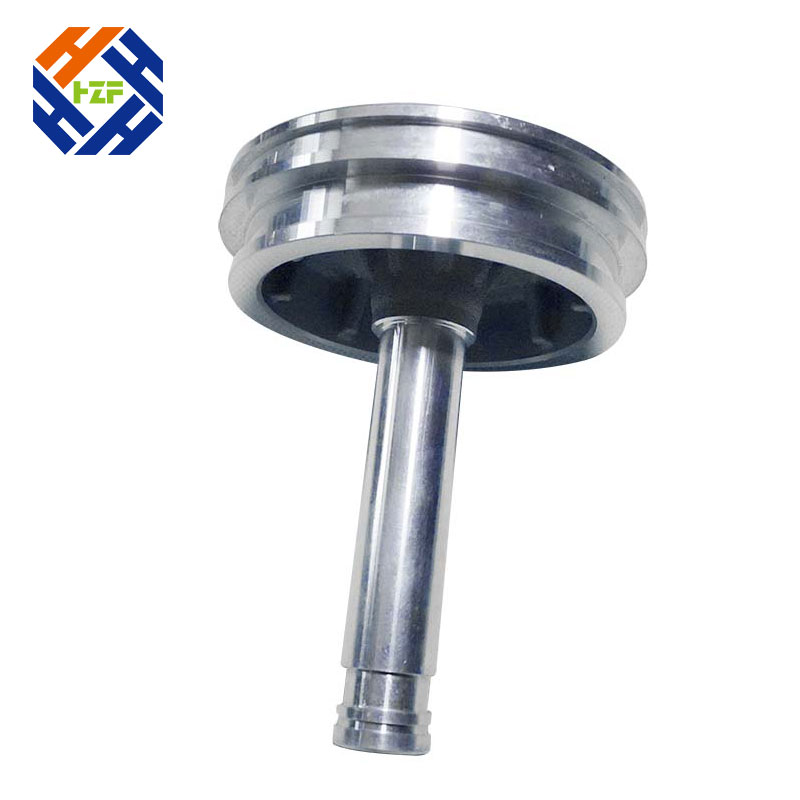
Investment casting has a long history and it is a high precision casting process. Investment castings usually have complex structures and clear contours, so this process is not suitable for producing large castings. This process involves complex procedures and its key process parameters are not easy to control precisely. Meanwhile, the mold materials used and consumed are relatively expensive, so the overall production cost is high. But the outstanding advantages of investment casting are high dimensional accuracy and excellent surface finish of castings. The castings can be put into use with almost no need for subsequent machining. It is suitable for producing small parts with complex shapes, high precision requirements or parts that are difficult to form through other processing methods. Typical applications include turbine engine blades, precision medical device components, small aerospace structural parts and high-end hardware parts.
3.Die Casting
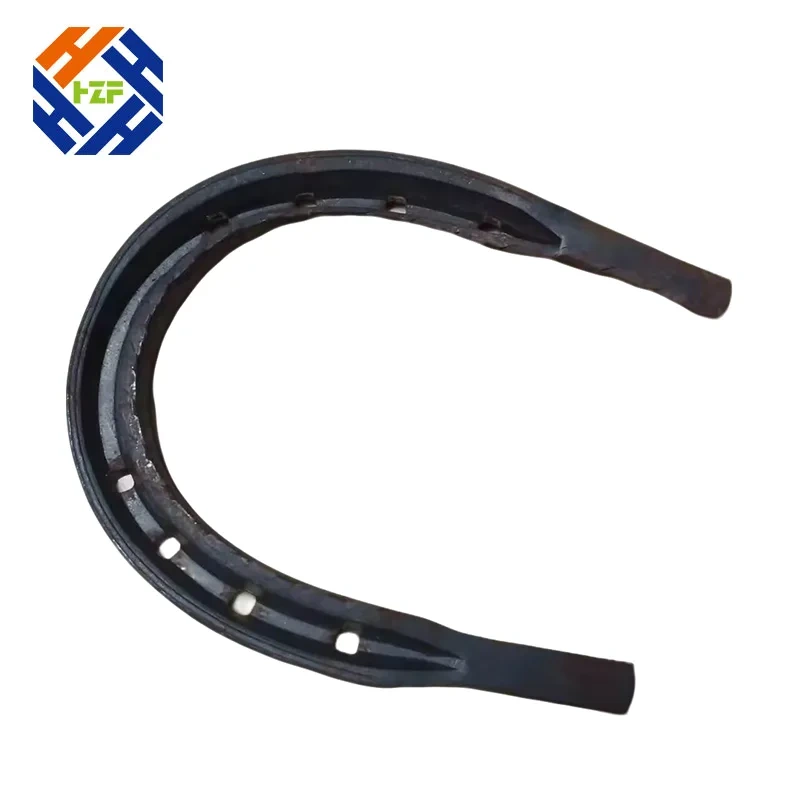
Die casting is a highly efficient and high precision casting process. It has the remarkable characteristics of high dimensional accuracy, high production efficiency and excellent surface quality. It is suitable for mass production of thin-walled parts with complex structures and it is widely used in fields such as auto parts, electronic communication devices and home appliance accessories. Die casting is a casting method where liquid metal is smoothly filled into the mold cavity under the pressure of low-pressure gas and then cooled and solidified into castings. Low-pressure die casting was initially mainly used for producing aluminum alloy castings. With the continuous development of process technology, its application scope has further expanded and it can now be used to produce castings with higher melting points such as copper castings, iron castings and steel castings. The advantages of die castings also include strong dimensional consistency, stable mechanical properties and a high number of repeated uses of supporting molds. These factors can effectively reduce the unit cost of mass production. Common die casting materials include aluminum alloys, zinc alloys and magnesium alloys. They can meet the diverse needs of different industries for part strength, corrosion resistance and lightweight design.